
In this lesson, we will learn the first steps to build confidence in playing the acoustic guitar. Embarking on the journey to discover the acoustic guitar can be both exciting and daunting. With the right approach and mindset, you can build a solid foundation that will set you on the path to musical success.
Choosing the Right Guitar
Before diving into playing, selecting the right guitar is crucial. Consider the following factors:
- Size and Comfort: Ensure the guitar feels comfortable in your hands and against your body. Try different sizes to find what suits you best.

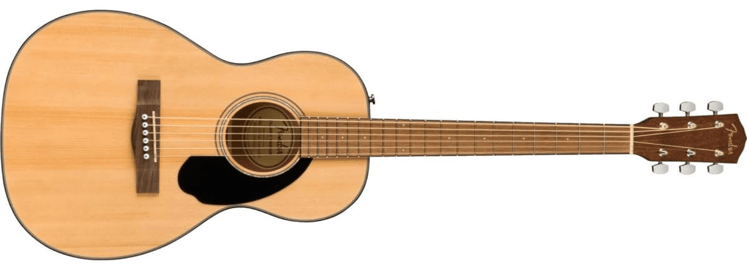
- Quality and Budget: While it's tempting to go for a cheaper option, investing in a decent-quality guitar can make a significant difference in your learning experience. The reason for this is that a higher-priced instrument is made of better materials. Wood, hardware, etc. It would be better to start with a pre-owned, higher-priced model than a new, lower-cost model. Make sure to do plenty of research when selecting your acoustic guitar.
- Sound Preference: Listen to the tonal qualities of different guitars. Some may have a brighter sound, while others are warmer and fuller. This is due to the wood that the guitar is made of. Different types of wood produce different sounds. This is also true of the guitar's size. Try some different ones out to make an informed buying decision.
Learning Basic Chords
The foundation of acoustic guitar playing lies in mastering basic chords. Start with these five essential chords:
- E Minor (Em)
- G Major (G)
- C Major (C)
- D Major (D)
- A Minor (Am)





These 5 chords appear in hundreds of songs. These will make up the foundation of your chord vocabulary. Practice these daily. Form each chord individually, and in groups of tw to start. Transitioning between chords is what you want to master. This will develop your finger strength and dexterity. Start with two, then three, four, and so on. This will help you with forming chord progressions.
Developing Strumming Techniques
Strumming is crucial for rhythm and flow in your playing. Begin with simple strumming patterns such as:
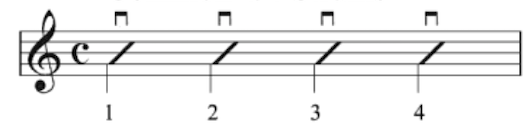
- Downstrokes: Strumming all strings downward in a consistent rhythm on each beat. Count as you do this to develop your timing.
- Upstrokes: Incorporating upward strums for a more dynamic sound. This will help you develop your picking hand and create different rhythms.
Strum down on each beat.
Strum down and back up on each beat.t
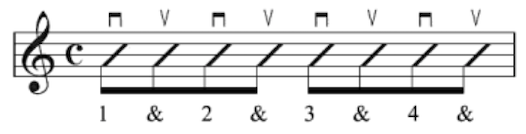
These two patterns will give you the basics of strumming. I recommend you use a metronome to improve your timing. Make sure to play at an even, steady tempo. As you progress, experiment with more complex patterns to add variety to your playing.
Understanding Music Theory Basics
A fundamental understanding of music theory can immensely enhance your guitar playing. By knowing standard scales used in popular songs, you will be able to recognize them when seen, and you will be able to use them in your own compositions. Focus on:
- Notes and Scales: Familiarize yourself with the notes on the fretboard and basic scales like the pentatonic.
Notes along all 6 strings on the fretboard
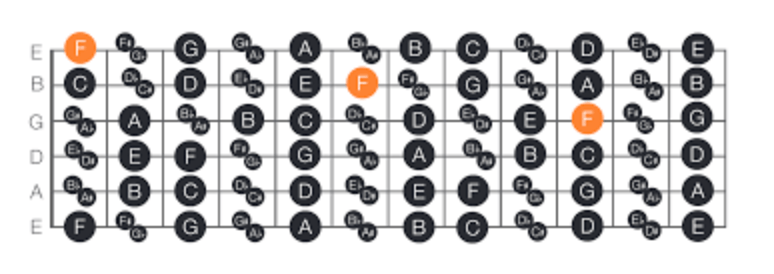
The minor pentatonic scale

- Chord Progressions: Learn about common chord progressions such as the I-IV-V, which is widely used in many songs. These are very easy to learn and simple to play. That is why they are so popular and used in so many songs.
In the key of G major, these chords would be G, C, and D.
G major: G A B C D E F# = 1 2 3 4 5 6 7
As you can see, the G is the 1, the C is the 4, and the D is the 5th. It is these three chords that you will use in this I-IV-V progression. Learn the notes to other primary keys, and practice this concept with them. The more you do this, the more you'll start hearing songs you know and writing your own music using this prevalent progression.
Practicing Regularly and Setting Goals
Consistent study and daily practice are the keys to improvement. You must be dedicated to the instrument and have a purpose for what you're doing. Here are a few things to consider:
- Set Clear Goals: Define what you want to achieve, whether it's learning a specific song or mastering a technique. This will keep you going when times get tough. Believe me, it will not be allsmooth sailing, no matter what anyone tells you. Some things will come easily, and some things won't. Having a destination, goal, or target to hit will help in your endeavor.
- Create a Practice Schedule: Dedicate regular time slots for practice to build a habit. All success in anything you choose to do is based on habit. Getting up, going to bed, eating, and so on. Your guitar playing must be the same. A solid practice routine you stick to will help you stay motivated and keep moving forward regularly.
- Track Your Progress: This is very important. This will give you a visualization of where you are along your journey, what you've accom[loshed, and what still needs accomplishing. Record yourself playing and jot down notes of your progress. This will show improvements over time.
Finding Resources and Community Support
Learning doesn't have to be a solitary endeavor. If you feel more comfortable learning with others, seek out resources and communities to support your journey:
- Online Tutorials and Courses: Platforms like YouTube and Skillshare offer countless free and paid courses and lessons. These allow you to share the learning experience and gain insights from instructors and teachers.
- Local Classes: Consider joining a class to receive personalized instruction and feedback from other players. This can be very helpful if you're the type of person who enjoys community. This can help you progress faster and have fun in the process.
- Guitar Forums and Groups: Engage with fellow learners and experienced players to share tips and motivation. Once again, another way to excel in your learning and gain insight into concepts and techniques you otherwise wouldn't have known about.
Dive Deeper
If you'd like to dive deeper into learning to play the acoustic guitar, I recommend you check out the book I authored, Acoustic Guitar Basics.
Acoustic Guitar Basics is the perfect starting point for aspiring guitarists new to acoustic music. This comprehensive course takes you through the fundamental steps needed to begin your musical journey with confidence and ease.
Whether you're a complete beginner or have some prior acoustic experience, Acoustic Guitar Basics offers clear explanations, helpful hints, and engaging exercises that make learning enjoyable. Designed to inspire and motivate you as you take your first steps into the wonderful world of acoustic guitar playing. Currently available on Amazon and ready to guide you along your journey to acoustic guitar success.
Building a solid foundation in acoustic guitar playing involves choosing the right guitar, mastering basic chords, developing strumming techniques, understanding music theory, and practicing regularly. By taking these first steps, you'll be well-equipped to explore the vast world of guitar music and enjoy the rewarding experience of creating music.
Remember, patience and persistence are your best allies on this musical journey. Give your mind and body time to develop, and don't forget, you are learning a language. Thanks for your time today, and good luck with your playing.
Sincerely, Dwayne Jenkins