
In today's lesson, we will be unlocking the secrets of great lead guitarists: techniques to transform your playing. Becoming a great lead guitarist is a journey that combines technical skill, musical creativity, and emotional expression. While each legendary guitarist has their unique style, some standard techniques and practices can elevate your playing to new heights.
This guide will explore the secrets behind mastering lead guitar, offering insights and tips to help you transform your musical abilities.
Understanding the Basics
Before diving into advanced techniques, it's crucial to have a solid foundation in lead guitar basics. These will be the scales and techniques needed to create musical landscapes.
Scales and Modes:
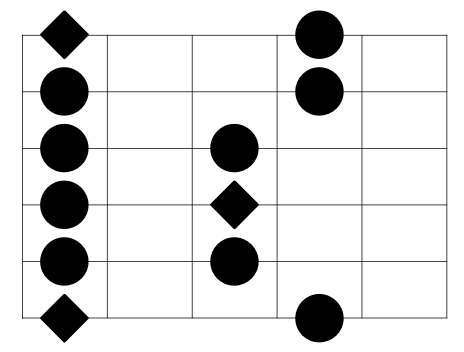
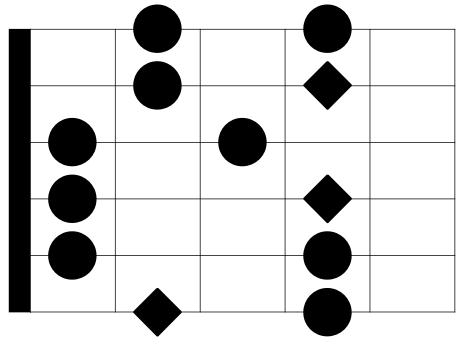
Familiarize yourself with major and minor scales, pentatonic scales, and modes like Dorian, Phrygian, and Mixolydian. These are the building blocks of solos and improvisation.
Chord Progressions:
Understanding how chords fit together will help you create melodies that complement a song's harmony.
The I-IV-V progression is the most common—three chords from any key that work well together in any timing sequence. In the key of G major, these three chords would be G, C, and D.
The 12-bar blues progression is another great chord sequence, and can be found in many, many songs. Chords that are played over 12 measures of music.
Music Theory:
Basic knowledge of music theory can vastly improve your ability to think creatively and understand the structure of music. This is where the science of music comes in. Knowing the theory behind chords and scales allows you to expand them and get more out of the fretboard.
Key of C Major = C D E F G A B = 1 2 3 4 5 6 7
C Major Chord = 1 3 5 = C E G
C Major Scale = 1 2 3 4 5 6 7 = C D E F G A B
Essential Techniques To Master
String Bending:
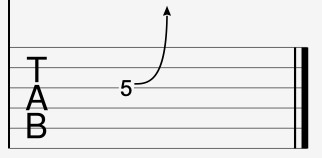
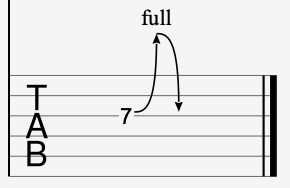
This technique adds expression to your playing by altering the pitch of a note. Practice achieving precise pitch changes and different bend speeds.
Vibrato:
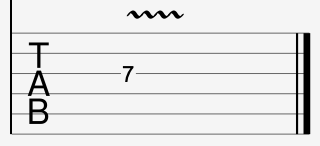
This adds personality and emotion to your music. Experiment with different types of vibrato, from subtle to wide, to see which fits your style. Below is an example of how vibrato looks in guitar tab notation.
Hammer-ons and Pull-offs
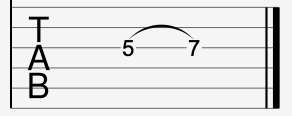
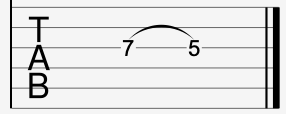
These techniques allow for smooth, fast playing by using one finger to "hammer" onto a fret or "pull" off to another note. They are essential for fluid legato playing and can add speed without losing clarity. Below are examples of a hammer-on and a pull-off.
3. Alternate Picking
Alternate picking involves alternating up-and-down strokes with your pick. It's a fundamental technique for increasing speed and precision. Practice with a metronome to develop consistency and accuracy. Start by picking each note down. Then, once you're comfortable with that, pick each note alternately up and down.

4. Sweep Picking
Sweep picking is a technique for playing arpeggios quickly and smoothly. This is where you play the notes of a chord individually. It involves a continuous motion of the pick across multiple strings, creating a fluid sound that is ideal for fast solos.

Developing A Unique Style of Your Own
While mastering techniques is essential, developing your own style is what will set you apart as a lead guitarist:
- Influence and Inspiration: Study the playing styles of your favorite guitarists. Analyze what makes their sound unique and incorporate elements into your own playing. This helps because it gives you insight into how these techniques are used in context.
- Improvise: Spend time jamming and improvising over different backing tracks. This will help you find your voice and improve your ability to create on the spot. This is the true objective of playing music: to carve out your own sound and style that is unique to you.
- Experiment with Effects: Use guitar effects such as delay, reverb, and distortion to explore new sounds and add depth to your music. This is also a great way to spark inspiration in your creation. This is another great benefit of playing the electric guitar: using guitar pedals to enhance your creativity.
Practice Tips for Success
Set Goals:
Define clear, achievable goals for each practice session. This keeps you focused and motivated. Without a clear set of goals, your practice sessions will become less motivating over time because you have no real target to aim for.
Record Yourself:
Listening back to recordings of your practice sessions can help you identify areas for improvement. The reason this technique helps is that when you listen or watch back (if it's on video), you see yourself from a different perspective.
Stay Consistent:
Regular practice is key to progress. Even short, focused sessions can lead to significant improvement over time. This is far better than longer, infrequent practice sessions, which is what most guitar players usually do.
Develop Mastery
If you'd like to really dive in and learn more about how these concepts can enhance your guitar playing, check out the book I authored, Learn to Play Lead Guitar.

Unlock the secrets of great lead guitarists with diagrams, notation, and step-by-step instructions. Involving a combination of techniques and practice exercises to enhance your proficiency, creativity, and personal expression. By mastering patience and persistence, you'll develop your own unique style.
Currently available on Amazon and wherever books are sold. In both paperback and ebook formats for your convenience. Something tangible you can hold in your hands, or a download you can access instantly. Either way, this book can help you to fully understand these concepts and get your lead guitar playing soaring to the next level.
By maintaining a disciplined practice routine and consistent study habits, you can transform your playing and reach new musical heights. Remember, the journey is as important as the destination, so enjoy the process and keep exploring the endless possibilities of lead guitar. Thanks for your time today, and good luck with your playing.
Sincerely, Dwayne Jenkins
Dwayne's Guitar Lessons