
In today's lesson, we will be unlocking the power of pentatonic scales: essential techniques for guitarists. The pentatonic scales are versatile and widely used in various musical genres. Known for their simple yet harmonious sounds, this makes them exciting for guitarists of all levels.
Comprising five notes, the major pentatonic scale is often considered a subset of the major scale, and its structure makes it particularly effective for improvisation and songwriting. As the minor pentatonic is just the opposite. Let's take a look at these two infamous scales in more detail.
Understanding the Structure
The major pentatonic scale is constructed by removing the fourth and seventh notes from the major scale. This omission results in a scale that is free of semitones, giving it a smooth and consonant quality. The interval pattern for the major pentatonic scale is as follows:
C Major: C D E F G A B = 1 2 3 4 5 6 7
C Major Pentatonic: C D E G A = 1 2 3 5 6

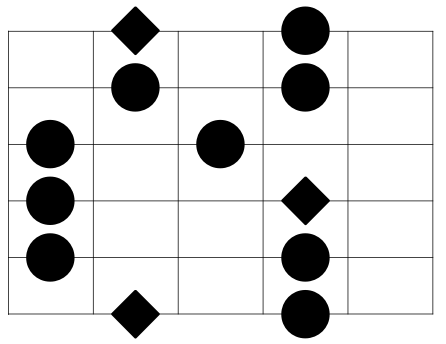
If you look at these two scales, you will notice the difference. Similar, but different. The major scale is made up of all 7 notes, whereas the major pentatonic is made up of only 5 notes. It is this difference in the number of notes that gives each one its character.
The major pentatonic scale, like the regular major scale, is characterized by its bright and open sound.
The major pentatonic scale is frequently employed in various musical contexts due to its simplicity and pleasing sound.
Here are some common applications:
- Improvisation: The absence of semitones makes the major pentatonic scale an excellent choice for improvisation, reducing the likelihood of dissonant notes.
- Songwriting: Its melodic simplicity is ideal for creating catchy and memorable melodies.
- Genre Versatility: The scale is widely used in genres such as rock, blues, country, and pop, making it a valuable tool for any guitarist.
Practical Daily Exercises
- Scale Practice: Play the C major pentatonic scale up and down the fretboard, focusing on clean, even notes.
- Pattern Variations: Practice the scale in different positions and patterns to become familiar with the fretboard.
- Improvisation: Use the scale to improvise over a C major chord progression. Experiment with different rhythms and phrasings.
- Melodic Development: Create simple melodies using the scale, paying attention to how the notes interact with each other.
By mastering the structure and applications of the major pentatonic scale, you will enhance your ability to create and improvise music with ease. This knowledge will serve as a foundation for exploring more complex scales and musical ideas, enriching your guitar playing and creative expression.
The Minor Pentatonic Scale
The minor pentatonic scale is one of the most widely used scales in music, cherished for its simplicity and emotive sound. Known for its versatility, this scale is a staple in genres such as rock, blues, jazz, and metal, providing a foundation for improvisation and composition. Its five-note structure offers a straightforward and accessible way for musicians to create expressive and memorable melodies.
Understanding the Structure
The minor pentatonic scale is derived from the natural minor scale by omitting the second and sixth notes. This results in a scale that is free of semitones, allowing for fluid transitions between notes. The interval pattern for the minor pentatonic scale is as follows:
A Minor: A B C D E F G A = 1 2 3 4 5 6 7
A Minor Pentatonic: A C D E G = 1 3 4 5 7

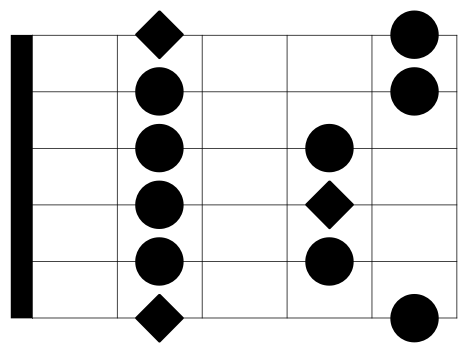
Once again, just like the major pentatonic scale, the minor pentatonic scale is different from the natural minor scale. The natural minor scale uses 7 notes, and the minor pentatonic scale uses only 5 notes, giving each scale a slightly different character of tone quality.
The minor pentatonic scale, like the regular minor scale, is characterized by its dark, sad sound.
The minor pentatonic scale is frequently employed in blues, rock, and jazz due to its simplicity and ominous tone quality.
Here are some common applications:
- Improvisation: The scale's simple structure allows for easy improvisation, making it a favorite among guitarists for creating solos.
- Blues Licks: Its connection to the blues genre makes it ideal for crafting expressive blues licks and phrases.
- Genre Adaptability: The scale is widely used in rock, jazz, and metal, providing a foundation for diverse musical styles.
Practical Daily Exercises
- Scale Practice: Play the A minor pentatonic scale up and down the fretboard, focusing on clean, even notes.
- Pattern Variations: Practice the scale in different positions and patterns to become familiar with the fretboard.
- Improvisation: Use the scale to improvise over an A minor chord progression. Experiment with different rhythms and phrasings to create emotive solos.
- Melodic Development: Create simple melodies using the scale, paying attention to how the notes interact with each other.
By mastering the structure and applications of the minor pentatonic scale, you will enhance your ability to create and improvise music with ease. This knowledge will serve as a foundation for exploring more complex scales and musical ideas, enriching your guitar playing and creative expression.
Pentatonic Scale Patterns
Pentatonic scales are a staple in the toolkit of any guitarist, offering simplicity and adaptability across various genres. To harness their full potential, it's essential to familiarize yourself with pentatonic scale patterns and practice them across the fretboard. This lesson explores common pentatonic scale shapes, providing a structured approach to mastering them.
Understanding Pentatonic Scale Patterns
Pentatonic scale patterns are visual guides that help you play the scale in different positions on the guitar neck. By learning these patterns, you can seamlessly transition between keys and positions, enhancing your versatility as a guitarist.
Common Pentatonic Scale Patterns
1. The Minor Pentatonic Box Pattern
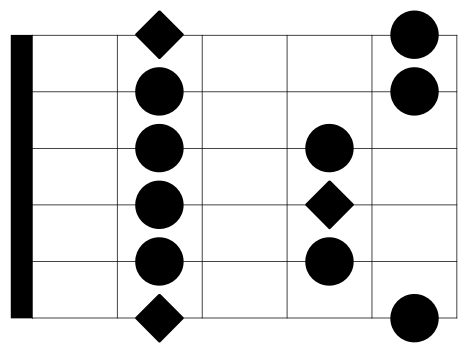
One of the most popular patterns, the minor pentatonic box, is easy to visualize and play. It consists of a simple shape that you can shift up and down the neck.
2. The Major Pentatonic Box Pattern

This pattern mirrors the minor pentatonic shape but starts on a different root, allowing you to switch between major and minor tonalities effortlessly.
3. Extended Pentatonic Patterns
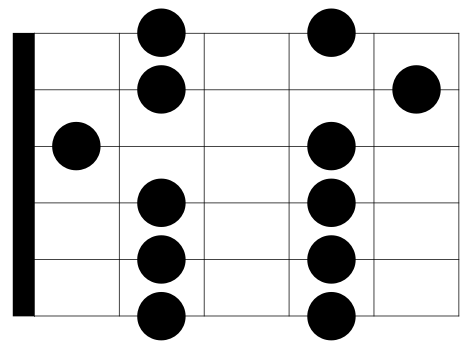
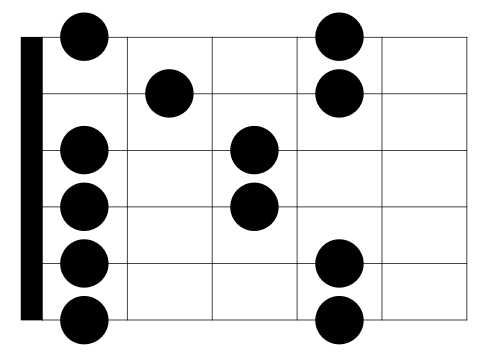
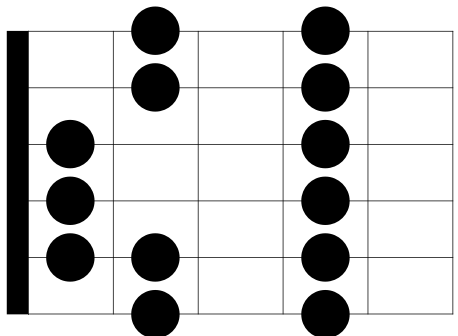
As you can see from these scale pattern diagrams, they are slightly different from the other two. These patterns extend beyond the basic box shape, allowing for more fluid movement across the fretboard. They are ideal for creating longer melodic lines and solos.
Since there are 5 notes in the pentatonic scale, both major and minor, you can create 5 different patterns. Each one is based on a tone degree in the scale. This allows you to span the whole fretboard and build yourself a fretboard roadmap for soloing and staying in key while doing so.
Practicing Pentatonic Scale Patterns
Techniques for Mastery
- Consistent Practice: Dedicate time each day to practice pentatonic patterns. Regular practice will reinforce muscle memory and improve your ability to recall patterns quickly.
- Slow and Steady: Start playing patterns slowly to ensure accuracy and clarity. Gradually increase your speed as you become more comfortable.
- Alternate Picking: Use alternate picking to maintain a smooth, consistent sound across notes. This technique will enhance your speed and precision.
- Position Shifts: Practice moving between different pentatonic patterns smoothly. This will improve your ability to navigate the fretboard with ease.
Practical Daily Exercises
- Pattern Isolation: Choose one pentatonic pattern and practice it slowly up and down the fretboard. Focus on clean note transitions and finger positioning.
- Pattern Transitions: Practice shifting between adjacent pentatonic patterns. Start slowly, aiming for seamless transitions.
- Improvisation: Use pentatonic patterns to improvise short melodies or solos. This will help internalize the patterns and develop creativity.
- Ear Training: Listen to the notes within each pattern and try to sing them. This will improve your aural recognition and understanding of the scale's sound.
By mastering these pentatonic scale patterns, you will gain confidence and versatility in your guitar playing. These skills will serve as a foundation for exploring more complex scales and improvising across different musical genres, enhancing your overall musical expression.
Dive Deeper
If you would like to dive deeper into the pentatonic scales and how to use them for creating riffs, solos, and melody lines, I recommend you check the book I authored and published called How To Play Guitar Solos.

This book serves as a comprehensive guide and workbook specifically designed to assist you in your journey to becoming a successful lead guitarist. It provides step-by-step guidance, practical exercises, and valuable insights to navigate the pentatonic scales effectively. Even if you have no prior musical knowledge or training.
The book also empowers you with the knowledge, tools, and resources necessary to kickstart your lead guitar learning journey and increase your chances of success in this exciting and rapidly evolving field. So, if you'd like to see how the pentatonic scales can elevate your guitar playing, be sure to check out the book.
And as always, if you have any questions or get stuck on a lesson, I'm always available to help. Just contact me at my website at your earliest convenience, and we'll set up a time to talk. With the desire to learn and the right guidance, you'll be playing jaw-dropping riffs, solos, and melody lines in no time. Thanks for your time today, and good luck with your learning.
Sincerely, Dwayne Jenkins