
In today's lesson, we will learn about unlocking musical mastery and, key benefits of learning guitar scale theory. Guitar scale theory is an essential aspect of understanding music for any guitarist. It provides a framework that helps in navigating the fretboard, composing music, and improvising solos. By learning scale theory, guitarists can unlock their full potential and bring their musical ideas to life.
What Are Guitar Scales?
Guitar scales are sequences of notes played in ascending or descending order. These scales form the foundation of melodies and harmonies in music. Different types of scales, such as major, minor, pentatonic, and blues scales, each have their own unique sound and emotional quality.
Benefits of Learning Guitar Scale Theory
1. Improved Fretboard Knowledge
Understanding guitar scales enhances a guitarist's knowledge of the fretboard. It allows them to identify the location of notes and intervals, making it easier to play across the entire neck of the guitar. This comprehensive understanding is crucial for fluid and dynamic playing.
2. Enhanced Improvisation Skills
Mastering scale theory significantly boosts improvisational abilities. Knowing which scales fit over certain chord progressions empowers guitarists to create spontaneous solos and musical phrases that are both interesting and cohesive.
3. Better Composition and Songwriting
Scales are the building blocks of music composition. By understanding the relationship between scales and chords, guitarists can craft more compelling melodies and harmonies. This knowledge enables musicians to write songs that resonate emotionally with their audience.
4. Increased Technical Proficiency
Practicing scales enhances a guitarist's technical skills. The repetitive nature of scale exercises improves finger strength, dexterity, and coordination. This technical proficiency translates to smoother transitions between notes and more articulate playing.
5. Greater Musical Expression
Learning scale theory allows guitarists to express themselves more fully through their music. With a deeper understanding of scales, musicians can choose the right notes to convey specific emotions, whether it's the joy of a major scale or the melancholy of a minor scale.
Types of Guitar Scales
Major and Minor Scales
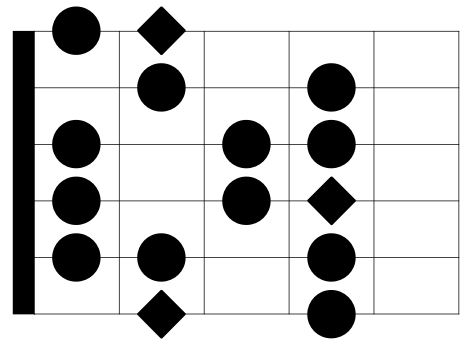
- Major Scales: Known for their bright and happy sound, major scales are essential for creating uplifting music. These can be the natural minor scale, the major pentatonic scale, or the major blues scale. All great options for creating these emotions.
The Major Scale: 1 2 3 4 5 6 7
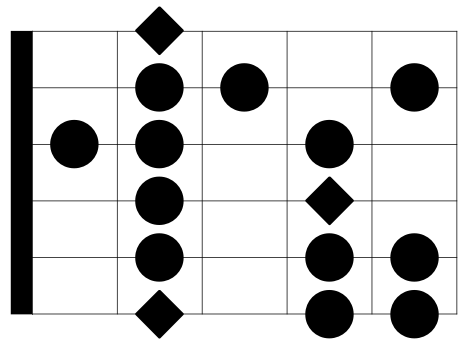
- Minor Scales: These scales provide a more somber or emotional tone, perfect for expressing deeper emotions. These can be the counterparts to the majors. The natural minor, the minor pentatonic, and the minor blues. In addition, you can even delve into the harmonic and melodic minors as well.
The Natural Minor Scale: 1 2 b3 4 5 b6 b7
Pentatonic and Blues Scales
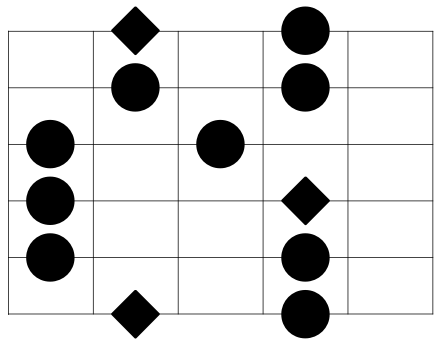
- Pentatonic Scales: Often used in rock, pop, and blues, these scales are versatile and great for improvisation. These are where you take five notes out of the 7 in the major or minor. Giving you an easier way to digest the scales and a simpler understanding of them.
The Major Pentatonic Scale: 1 2 3 5 6
The Minor Pentatonic Scale: 1 b3 4 5 b7
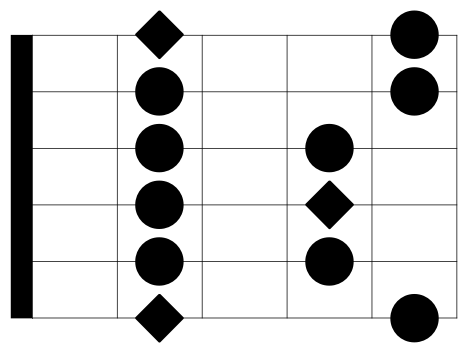
- Blues Scales: With an added "blue note," these scales are perfect for creating the soulful sound associated with blues music. This is done by expanding the pentatonic scales. So instead of having a 5-note scale (Penta meaning 5 and tonic meaning tone), you now have a 6-note scale.
The Major Blues Scale: 1 2 b3 3 5 6
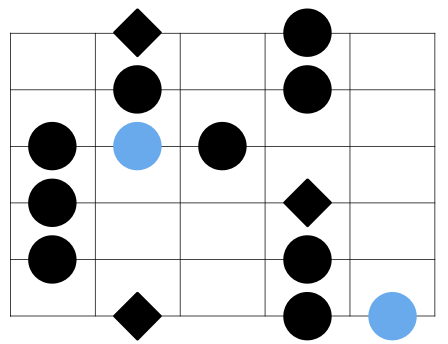
The Minor Blues Scale: 1 b3 4 b5 5 b7
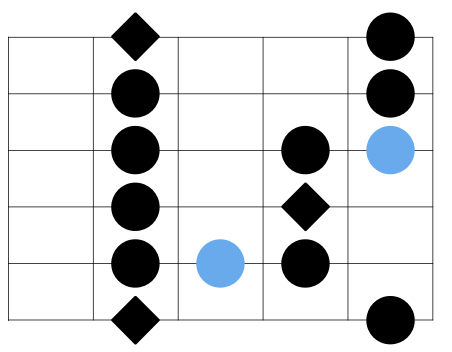
*Notice from the diagrams how the note formulas change within the scales, and how the blues scales are extensions of the pentatonics.
Tips for Learning Guitar Scale Theory
Start Simple: Begin with the basic major and minor scales before moving on to more complex variations. This will allow you to build a solid foundation.
Practice Regularly: Consistent practice helps ingrain scales into muscle memory. As they say, "repetition is the key to mastery", so follow this rule of thumb for enhanced learning.
Use a Metronome: Practicing scales with a metronome improves timing and rhythm. This is the most important skill to develop. Especially if you ever plan on playing with other musicians.
Visualize Patterns: Learn to recognize scale patterns on the fretboard to play more intuitively. This is the reason why they are called "box patterns," for this very reason.
Apply Scales in Context: Use scales in your compositions and improvisations to see how they fit within different musical settings. These can be used to create rhythm as well as solos.
Additional Thoughts
Learning guitar scale theory is an invaluable part of a guitarist's education. It opens up a world of musical possibilities, from enhanced improvisation to improved composition skills. By dedicating time to mastering scales, guitarists can unlock their full potential and achieve musical mastery.
Dive Deeper Into Theory
If you'd like to dive deeper into learning how guitar scale theory can enhance your musicianship, I recommend you check out the book I authored, Learn Guitar Scale Theory.
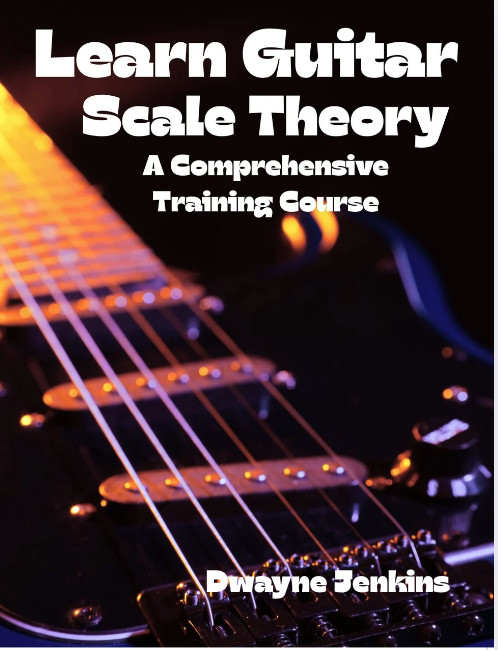
Learn to unlock the mysteries of solo creating guitar scales. The majors, minors, pentatonics, blues, and modes. All common scales used by the masters to craft memorable melody lines that inspire us to want to pick up the guitar and say, "I want to do that!" This book breaks down the scale's components and shows you exactly what you need to know.
With step-by-step instructions, diagrams, notation, and practical exercises, this training course provides you with the tools needed to elevate your guitar playing. No matter if you are just getting started or have been playing a while, you'll find a wealth of techniques, concepts, and insights in this book that will allow you to create your own jaw-dropping guitar solos.
Email Support Available
And the best part is that if you have any questions about any of the lessons, you can contact me at my website, and I will be happy to help at no extra charge. My way of saying thanks for supporting my lessons. So if you're serious about taking your guitar playing to the next level, I recommend checking out the book that is currently on sale.
I know if you do, it will help you excel in your learning. Also, be sure to check out my other free lessons on my blog. They can help you out in all areas of your playing. I hope you learned something here today, and thank you for your time. Good luck with your guitar studies. Practice daily, and you'll come out a winner!
Sincerely, Dwayne Jenkins