In today's lesson, we will learn how guitar scale theory can enhance your creativity. Guitar scale theory might sound intimidating at first, but it is a fundamental aspect that can significantly boost your musical creativity. Whether you're a seasoned player or a beginner, understanding and applying scale theory can open new doors on your guitar-playing journey. Let's explore how mastering guitar scale theory can transform your creative process.
What is Guitar Scale Theory?
At its core, guitar scale theory involves understanding the arrangement of notes that form scales. Scales are the building blocks of music, providing the foundation for melodies, harmonies, and solos. There are numerous scales, including major, minor, pentatonic, and modal scales, each offering unique sounds and moods.
Major and Minor Scales
- Major Scales: Known for their bright, cheerful sound, major scales are often used in upbeat, happy songs.
The Major Scale: ! 2 3 4 5 6 7 = seven notes
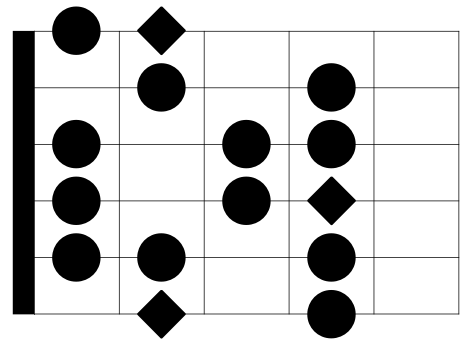
The Major Pentatonic Scale: 1 2 3 5 6 = five notes

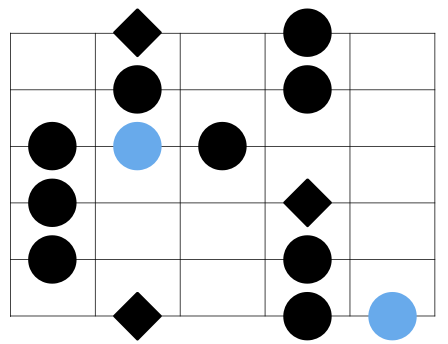
The Major Blues Scale: 1 2 b3 3 5 6 = six notes with the "blue" note added
- Minor Scales: Contrasting with major scales, minor scales convey a more somber, emotional feel, perfect for deeper, more reflective pieces.
The Natural Minor Scale: 1 2 b3 4 5 b6 b7
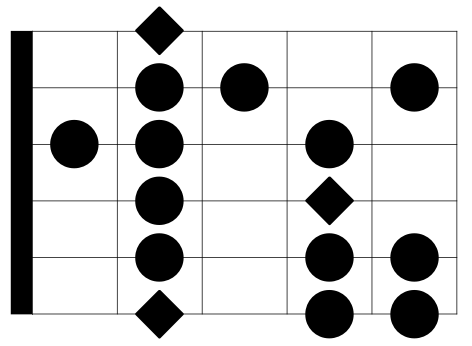
The Harmonic Minor Scale: 1 2 b3 4 5 b6 7
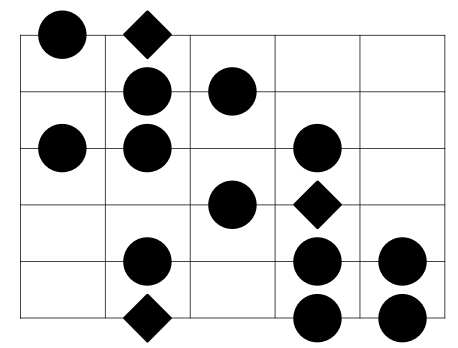
The Melodic Minor Scale: 1 2 b3 4 5 6 7
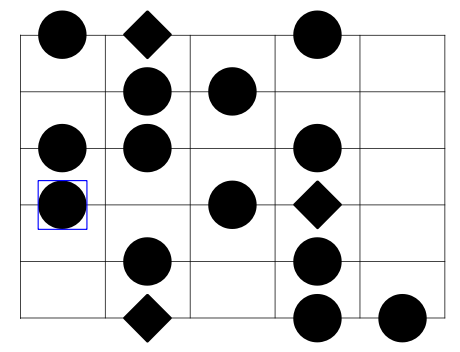
Major and minor scales lay the foundation for future scales, such as pentatonic and modes. I recommend you start here. Learn these, play them in different areas along the fretboard, and get to know them like the back of your hand. These will allow you to develop a solid foundation for playing solos and rhythms.
Pentatonic and Modal Scales
- Pentatonic Scales: These five-note scales are highly versatile and commonly used in blues, rock, and pop music.
The 5 Pentatonic Scales: Can be used for both major and minor keys
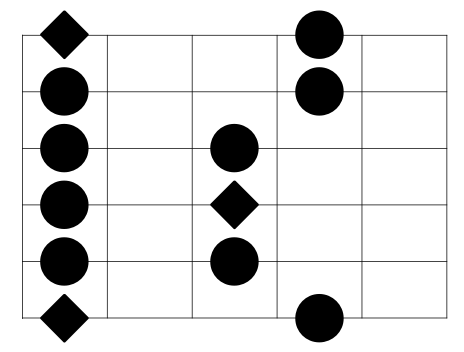
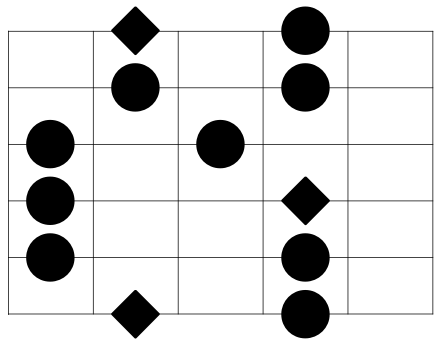
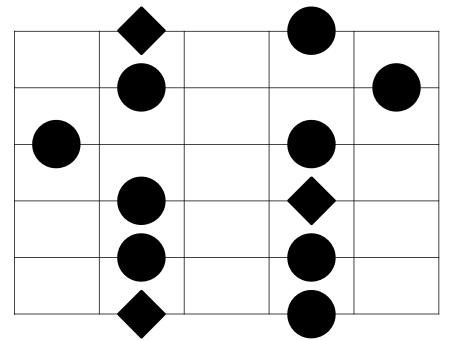
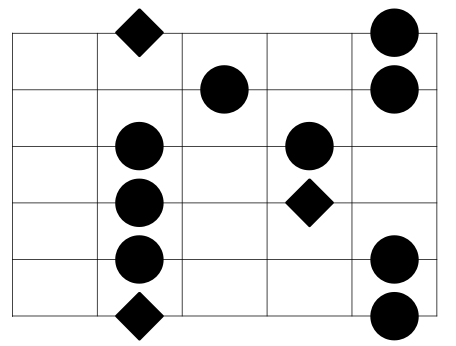
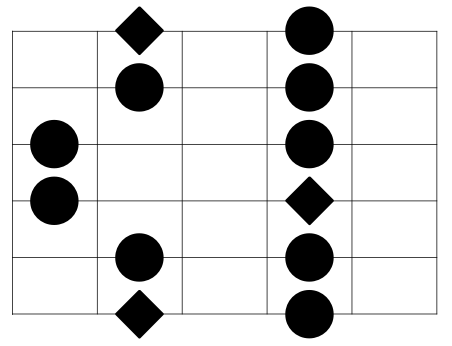
The five pattern scales allow you to not only craft riffs, solos, and melody lines in both major and minor keys, but they also provide a roadmap to master the guitar fretboard. These five scale patterns alone will provide you with unlimited possibilities for creating memorable musical landscapes.
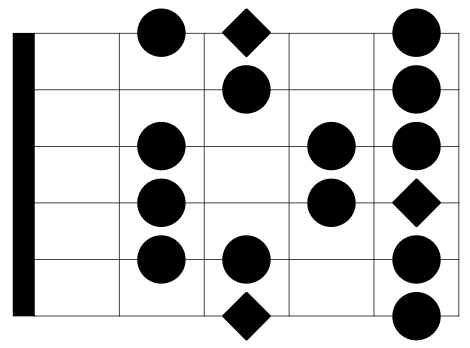
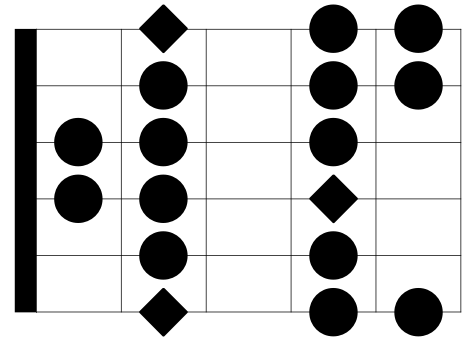
- Modal Scales: Derived from major scales, modes offer unique tonal flavors that can add depth and complexity to your music. These are the Ionian, Dorian, Phrygian, Lydian, Mixolydian, Aeolian, and Locrian modes.
Ionian and Dorian Modes
Phrygian and Lydian Modes
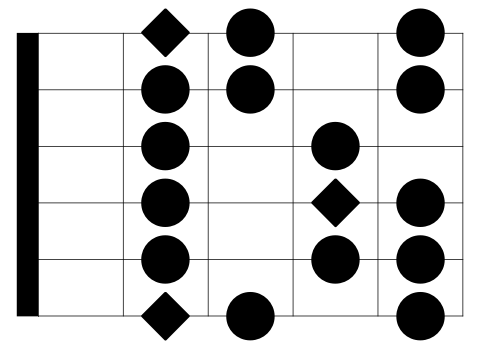
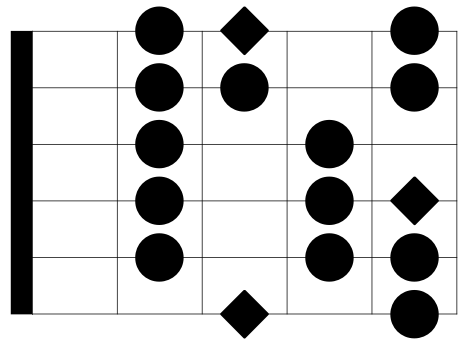
Mixolydian and Aeolian Modes
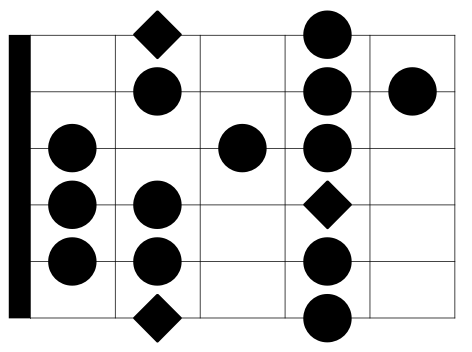
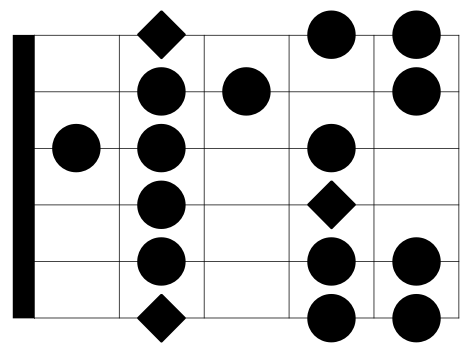
Locrian Mode
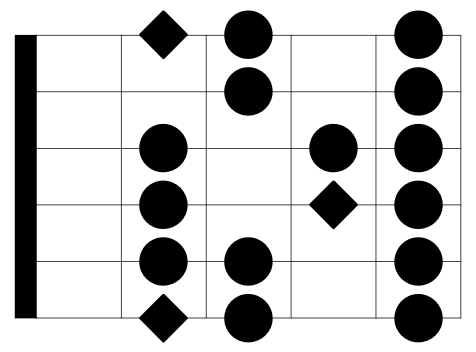
The modes are also a way to extend your scale patterns and enhance your chord voicings and fretboard mastery. Each one of these has a specific emotion, and the objective is to explore each one and bring them out in specific musical situations.
How Scale Theory Enhances Creativity and Musicianship
Expands Your Musical Vocabulary
Learning different scales equips you with a broader musical vocabulary, allowing you to express a wider range of emotions and ideas through your guitar. Each scale provides new patterns and sounds to explore, encouraging you to step out of your comfort zone and try new things.
Improves Improvisational Skills
Improvisation is a key element of guitar playing, and scale theory is crucial for developing this skill. By understanding scales, you can create spontaneous solos and riffs, making your performances more dynamic and engaging. This ability to improvise not only enhances your creativity but also boosts your confidence as a musician.
Facilitates Songwriting
For songwriters, scale theory is an invaluable tool. It helps you build chord progressions and melodies that are both harmonious and interesting. Understanding how different scales interact allows you to craft songs that evoke specific emotions and tell compelling stories.
Tips for Learning Guitar Scale Theory
- Start Simple: Begin with the basic major and minor scales before progressing to more complex scales, such as pentatonic and modal.
- Practice Regularly: Consistent practice is key to mastering scale theory. Incorporate scales into your daily practice routine to build muscle memory and fluency.
- Use Backing Tracks: Playing along with backing tracks can help you apply scales in a musical context, improving your improvisation and creativity.
- Learn from Others: Study the work of accomplished guitarists to see how they use scales in their music. This can provide inspiration and new ideas for your own playing.
Dive Deeper For enhanced Understanding.
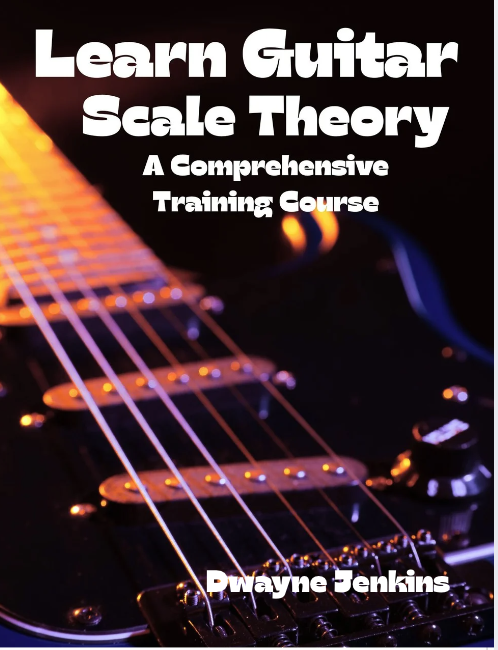
If you'd like to develop a better understanding of scale theory and how it can enhance your guitar solos, I recommend checking out the book I authored, Learn Guitar Scale Theory.
Mastering guitar scale theory is a powerful way to enhance your creativity as a musician. By expanding your musical vocabulary, improving your improvisational skills, facilitating songwriting, and encouraging experimentation, scale theory can transform the way you play and create music. Embrace the challenge, and watch as your guitar playing reaches new heights.
So, if you are serious about taking your guitar playing to the next level, grab the book and get started today. The book is available as an ebook for immediate access, and in a paperback version for portability and convenience, on Amazon and wherever books are sold. Thanks for your time today. If you need any personal assistance beyond that, I can provide it as well. Just contact me.
Good luck with your guitar playing.
Sincerely, Dwayne Jenkins