
In this lesson, we are going to learn to master the major and minor blues scales on guitar. The blues is a genre that speaks to the soul, conveying emotion and storytelling through its distinct sound. At the heart of this sound is the blues scale, a fundamental element for any aspiring blues guitarist. This guide will walk you through understanding and mastering the blues scales, enhancing your ability to express yourself through your guitar.
What Is the Blues Scale?
The blues scale is a type of hexatonic scale, meaning it consists of six notes. It is an extension of the pentatonic scale, both major and minor. With an added note commonly referred to as the "blue note." This blue note gives the blues scale its characteristic sound.
The flat 3rd note is added to the major pentatonic, and the flat 5th note is added to the minor pentatonic. This creates a mix of melancholy and expressiveness that defines blues music. This is what you want to master: to create variations of emotion in your music.
The Minor Blues Scale Formula
To construct a minor blues scale, start with the minor pentatonic scale and add a blue note. This will be the flat 5th note. Here is the formula for a basic blues scale in A minor:
A minor scale: A B C D E F G = 1 2 b3 4 5 b6 b7 (7 notes)
A minor pentatonic: A C D E G = 1 b3 4 5 b7 (5 notes)
A minor Blues: A C D Eb E G = 1 3 4 b5 5 7 (6 notes)
See how the minor pentatonic scale and the minor blues scale are just variations of the minor scale. So, when you are talking about minor scales, which one is it? The natural minor, the minor pentatonic, or the minor blues scale?
Learning the Minor Blues Scale on Guitar
The Natural Minor Scale: 1 2 b3 4 5 b6 b7

The Minor Pentatonic Scale: 1 b3 4 5 b7
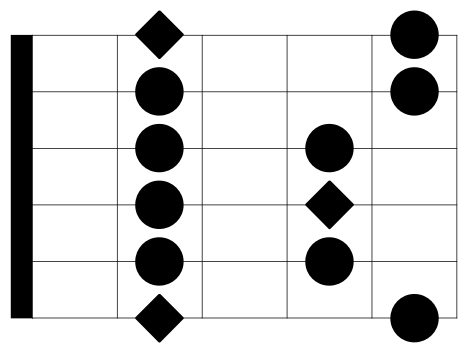
The Minor Blues Scale: 1 b3 4 b5 5 b7
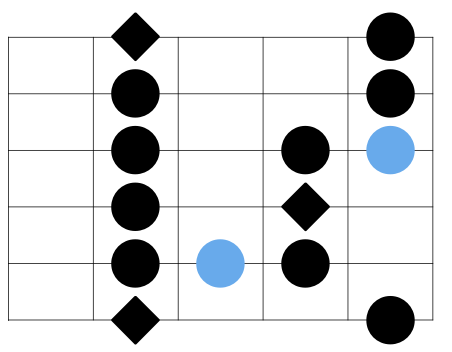
Can you see how the minor pentatonic scale is a variation of the minor scale? Can you also see how the minor blues scale is an extension (with the added "blue" note) of the minor pentatonic scale? These are what you want to fully understand with these scales, and how they work together.
Now that we have learned all that, let's enhance our knowledge by learning the 5 minor blues scale patterns. This will allow for even more options for creative compositions.
The 5 Minor Blues Scale Patterns
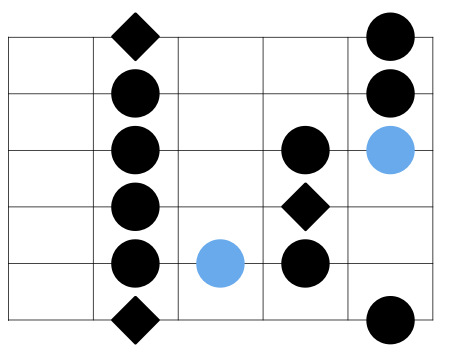
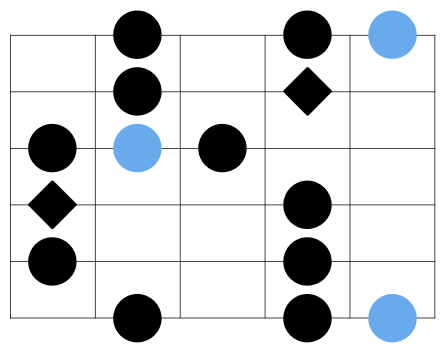
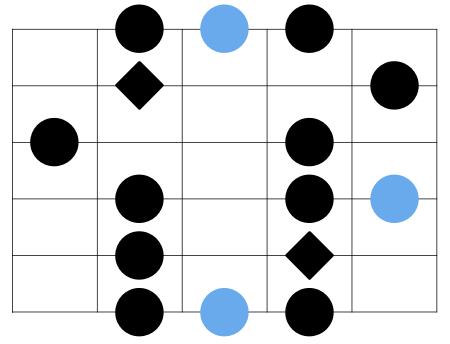
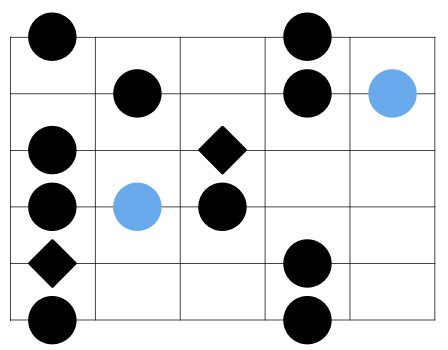
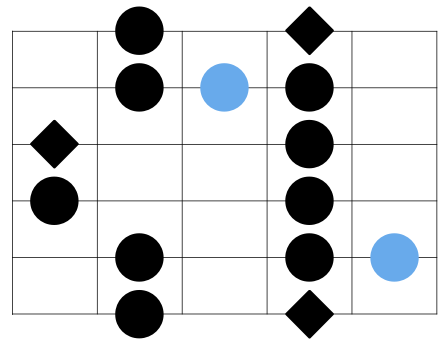
By learning these 5 magical scale patterns, you will have many more tools to work with when it comes to composing creative guitar riffs, solos, and melody lines.
How To Play The Scales
Step 1: Understand the Fretboard
Before diving into scales, it's important to have a good understanding of your guitar fretboard. Please familiarize yourself with the notes on each string and their corresponding frets. This knowledge is crucial for navigating scales and improvising with ease.
Step 2: Practice the Minor Pentatonic Scale
The minor pentatonic scale is the foundation of the blues scale. Begin by practicing this scale in various positions across the fretboard. This will help build finger strength and dexterity, making it easier to incorporate the blue note later.
Step 3: Add the Blue Note
Once you are comfortable with the minor pentatonic scale, start incorporating the blue note. Practice adding this note to your scale runs and pay attention to how it changes the feel of your playing. The blue note is the key to giving your solos that authentic blues sound.
Step 4: Explore Different Keys
Practice the blues scale in different keys to expand your versatility. This will allow you to play along with a variety of songs and adapt to different musical settings. Remember, the position of your fingers remains the same, but the starting note changes with the key.
Techniques to Enhance Your Blues Playing
Bending and Vibrato
Bending and vibrato are essential techniques in blues music. They add emotion and expression to your playing, allowing you to make your guitar "sing." Practice bending the blue note and using vibrato to enhance your solos.
Phrasing and Dynamics
Good phrasing and dynamic control can elevate your blues playing. Focus on how you construct your solos, using pauses, changes in volume, and timing to create interest and emotion.
Backing Tracks and Jamming
Use backing tracks to practice improvising with the blues scale. Jamming along with tracks or other musicians will help you develop your own style and improve your ability to react and adapt in a live setting.
The Major Blues Scale Formula
To construct a major blues scale, start with the major pentatonic scale and add a blue note. In the major blues scale, this will be the flat 3rd note. Here is the formula for a basic blues scale:
C Major: C D E F G A B = 1 2 3 4 5 6 7 (7 notes)
C Major Pentatonic: C D E G A = 1 2 3 5 6 (5 notes)
C Major Blues: C D Eb E G A = 1 2 b3 3 5 6 (6 notes)
Just like the minor pentatonic scale and the minor blues scale, the major scales work the same way. The only difference is that you add the flat 3rd note with the major blues instead of the flat 5th like with the minor blues scale. But if you look closely, they use the same note, just in a different position.
Learning the Major Blues Scale on Guitar
The Major Scale: 1 2 3 4 5 6 7
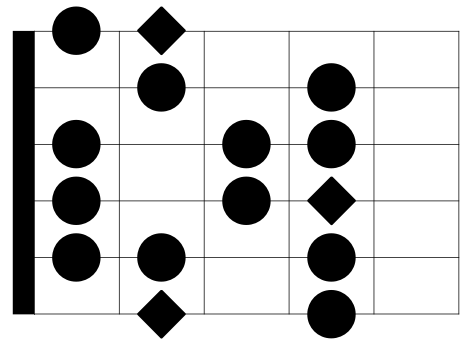
The Major Pentatonic Scale: 1 2 3 5 6
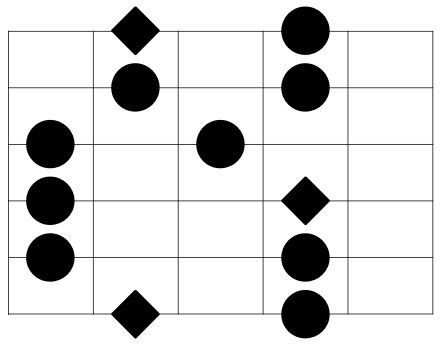
The Major Blues Scale: 1 2 b3 3 5 6
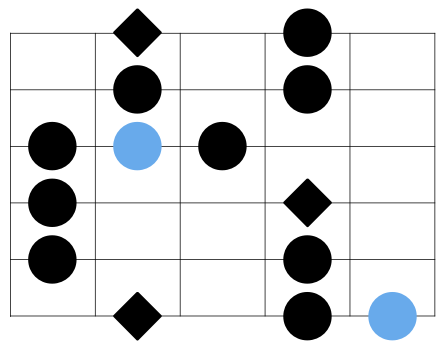
As you can see, these work the same way as the minor scales. You have a major scale, you take a few notes from it to create the major pentatonic, then extend it by adding the "blue" note, which is the flat 3rd note.
If you were to master just these 6 scales, imagine what you could create with them. Imagine how much of the guitar fretboard you will be able to master. By understanding these basic concepts about the blues scales, you'll be ahead of 90% of guitar players out there. But what if you learn all 5 major blues scales as well?
The 5 Major Blues Scale Patterns
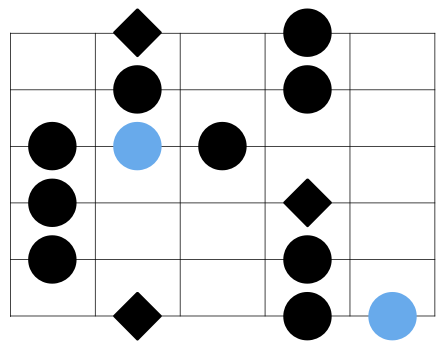
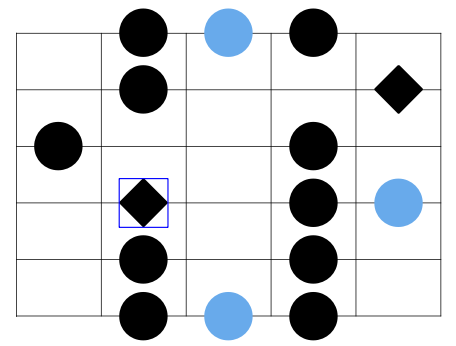
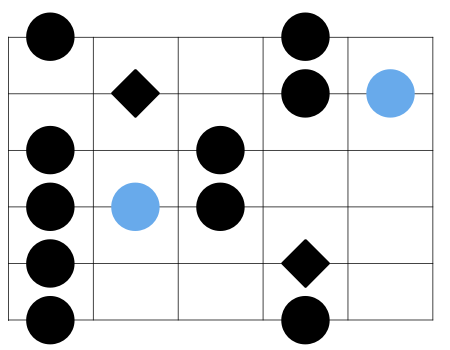


If you learn these five scale patterns as well, you will have a wealth of scale vocabulary to choose from. The major, the major pentatonic, the major blues (all five patterns), the minor, the minor pentatonics, and the minor blues with all five patterns. Talk about fretboard mastery!
All this will allow you to be more creative and be able to communicate more effectively, while you play 100 times more proficiently. If you are soloing over a major chord progression, use one of the major scales. If you are asked to solo over a minor chord progression, use one of the minor scales.
Play these at the right location along the fretboard, and you can't go wrong. The way they're designed, they'll work every time. You just need to know where and when to use them. This can be done by ear or by theory. Both ways will work fine.
Additional Thoughts
Mastering the blues scale is a rewarding journey that opens up a world of musical expression. By understanding the scale's structure, practicing diligently, and incorporating essential techniques, you'll be well on your way to capturing the essence of the blues on your guitar.
But this can only be done through extensive study and practice. By being dedicated to the art and studying those who have made it what it is, you will become a great blues guitar player. Remember, the blues is about feeling, so let your heart guide your fingers as you play.
Expand Your Scale Vocabulary
If you'd like to expand your knowledge about scales, the next logical step would be to learn the modes. For this, I recommend you check out the book I authored, How To Play Guitar Modes.

These are the 7 scale shapes that you have probably heard about, but weren't too sure what they meant. Such names as Lydian mode and Phrygian mode. That's ok. This handy little training guide will show you what they are all about.
They can be used not only for playing solos, but also for creating chords for rhythm playing. They can provide even more of an extension to the blues scales. The reason they are so popular is that each one provides a different form of expression and can add a world of emotional textures to your musical landscapes.
Free Support
And the best part of this handy method book is that it is currently on sale and comes with free email support! If you have any questions or get stuck on a lesson, you can reach out, and I will be happy to help. You're virtually guaranteed to be successful.
So if you are serious about becoming a better guitar player, study this lesson and put it into practice. You'll see your guitar playing soar. And if you'd like to know what the modes are all about, grab the book. I know you'll be glad you did. Thanks for your time today, and best of luck.
Sincerely, Dwayne Jenkins