
In today's lesson, we are going to learn about harmony at your fingertips. Exploring acoustic guitar basics. The acoustic guitar is one of the most beloved instruments, cherished for its versatility and soulful sound. Whether you're a budding musician or simply exploring a new hobby, understanding the basics of the acoustic guitar is essential to unlocking its full potential. In this blog post, we'll delve into the fundamental aspects of the acoustic guitar, offering insights and tips to help you embark on your musical journey.
Understanding the Anatomy of an Acoustic Guitar
Before you start strumming, it's essential to familiarize yourself with the different parts of an acoustic guitar. Knowing about the instrument and how it works will give you a deeper appreciation for it and the incredible magic that you can create with it.
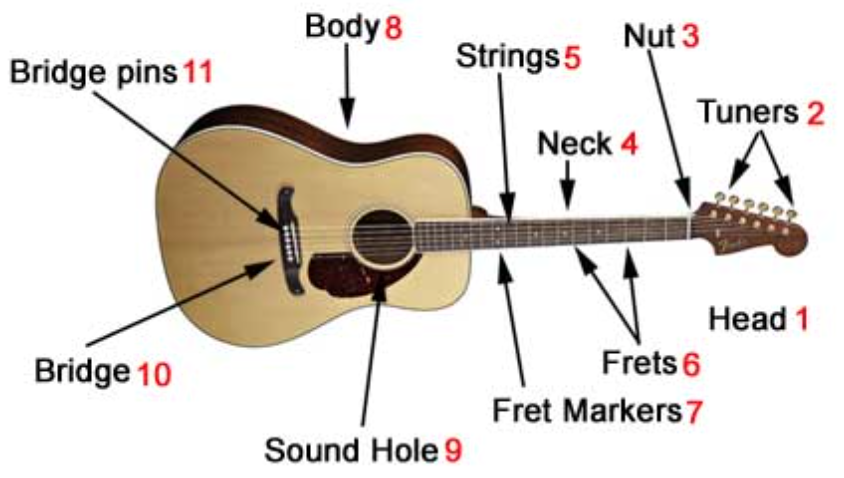
Here are the key components you should know:
- Body: The large, hollow section that amplifies sound.
- Neck: The long, slender part that extends from the body, where you'll find the fretboard.
- Fretboard: The flat, front-facing part of the neck, marked with frets that guide your finger placement.
- Headstock: Located at the top of the neck, it holds the tuning pegs.
- Strings: Typically six in number, they produce sound when plucked or strummed.
- Bridge: Where the strings attach to the body, and the string vibration is transferred.
Choosing the Right Acoustic Guitar
Selecting the right acoustic guitar can significantly impact your playing experience. Here are some factors to consider:
- Size: Choose a guitar that feels comfortable to hold and play. Smaller guitars are ideal for beginners and younger players.
- Material: The wood used in the guitar's construction affects its tone. Common materials include spruce, mahogany, and rosewood.
- Budget: Set a budget that suits your financial situation. There are quality options available for every price range, from beginner to professional models.
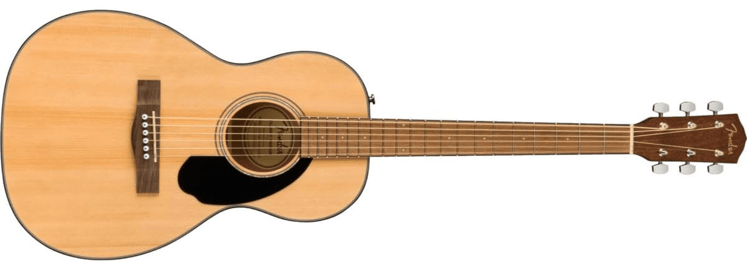
Parlor Acoustic Guitar
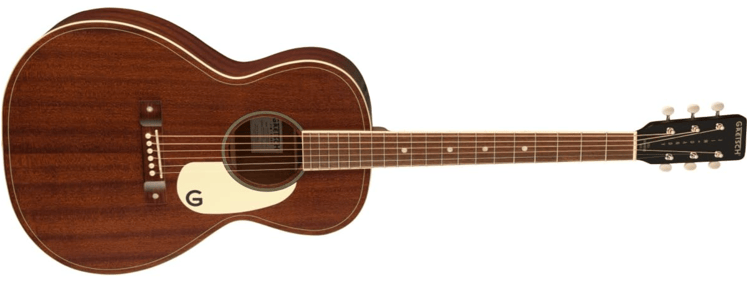
Concert Acoustic Guitar
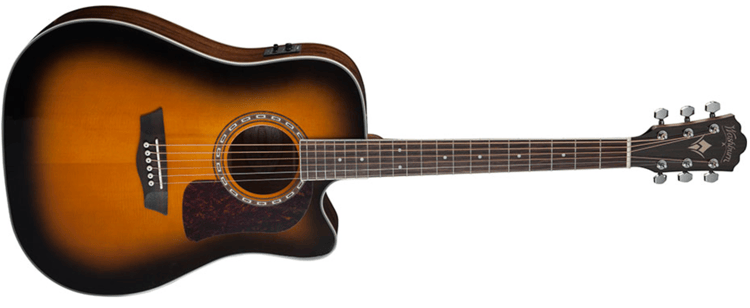
Drednaught Acoustic Guitar
Classical Guitar

These are the four most common types of acoustic guitar. I recommend choosing which one fits you best. They have different features, come in various sizes, and come in different colors. Which is great, because you can then choose the one that best fits your size and personality.
Getting Started
Once you've chosen your guitar, it's time to get it in tune and start learning the fundamentals. Don't skip this part. Master this, and it will serve you for years to come.
Tuning Your Guitar

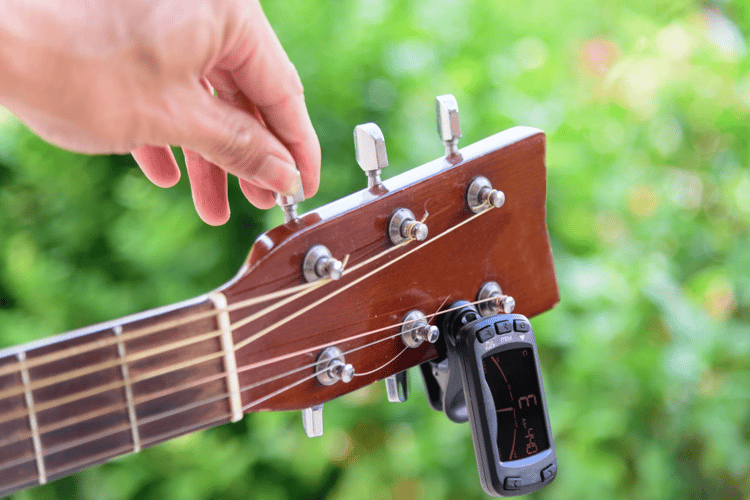
Proper tuning ensures your guitar sounds harmonious. You can use an electronic tuner or a tuning app to tune your strings. Standard tuning is E-A-D-G-B-e, from the lowest to the highest string. Make sure to memorize this. If you happen to master any lesson that has to do with the acoustic guitar, it is this one.
Basic Chords
Chords are the building blocks of many songs. Start with simple chords like G, C, D, E minor, and A minor. Practice them individually, and then practice switching between them. This exercise will help you develop smooth transitions and enhance muscle memory.
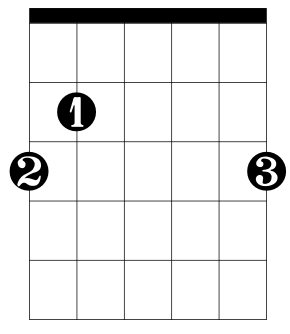
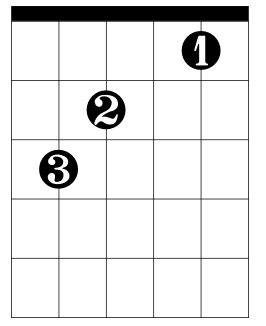
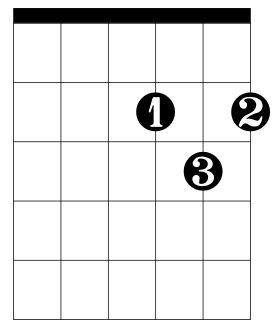
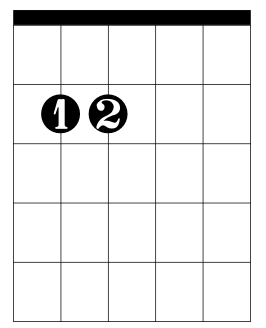
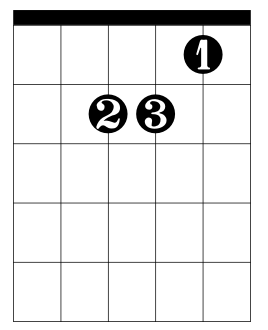
When forming these types of chords, be sure to play on your fingertips and keep your fingers curled for the best performance. This will allow the strings to ring with clarity and provide better chord-forming posture.
Strumming Patterns
Strumming adds rhythm to your playing. Begin with simple downstrokes and gradually incorporate upstrokes as you become more comfortable. Experiment with different patterns to add variety to your sound.
Strum Down: Strum each beat down

Strum Down & Up: Strum down on the 1 and 3 and up on the 2 and 4

Practice Tips for Beginners
Consistent practice is key to mastering the acoustic guitar. But that's not enough. You must be focused on mastering techniques and what you truly want to accomplish with the instrument. Here are some tips to keep in mind:
Set Realistic Goals:

Start with small, achievable goals to maintain motivation. These should be a breakdown of the big picture. It's like playing football; the team's objective is to reach the goal, and they can throw a long pass, but it's better to do it in small 10-yard increments. Your guitar goals should be similar. If you need help in this area, be sure to grab my free action guide on setting goals at my website.
Practice Regularly:

Aim for short, daily sessions rather than infrequent, long practices. This will allow you to keep the information in the front of your mind, and your fingers will build muscle memory faster. Remember, repetition is key. If you do fewer, longer practice sessions, the information won't stick, and it will take longer for your fingers to build muscle memory.
Use Online Resources:

Take advantage of online tutorials, videos, and apps to supplement your learning. In today's digital world, learning has become easier than ever before. Modern technology has allowed the student to excel at learning. But even with all the technology available, you'll still need to put forth the effort. Do this, and you will succeed. There is no other way it can be.
Dive Deeper into Acoustic Guitar Mastery
If you'd like to dive deeper into learning the acoustic and fully understand the concepts taught in this lesson, be sure to check out the book I authored, Acoustic Guitar 101.

A comprehensive course for beginners. A get-started training guide for those who've always wanted to play the acoustic guitar, but didn't know where to start. All in an easy step-by-step method that anyone can learn from. With full-color pictures, diagrams, and notation that is easy to read and understand. Even if you have no previous musical training.
Embarking on the journey of learning the acoustic guitar can be a rewarding experience. With patience, practice, and passion, you'll find harmony at your fingertips. Whether you're strumming by the campfire or performing on stage, the acoustic guitar offers endless possibilities for musical expression. So, pick up your guitar, explore the possibilities, and let the melody unfold.
Best of luck with your playing, and if you have any questions, feel free to contact me at my website. Thanks for your time today, and take care.
Sincerely, Dwayne Jenkins
Dwayne's Guitar Lessons.