Learning to play the guitar is an exciting journey, and one of the most transformative steps you can take is understanding guitar scale theory. Whether you're a beginner or a seasoned player, delving into scale theory can elevate your playing to new heights. Let's explore how mastering this essential aspect of music theory can revolutionize your guitar skills.
What is Guitar Scale Theory?
Guitar scale theory involves understanding the principles behind musical scales, which are sequences of notes ordered by pitch. Scales form the foundation of melody and harmony in music, providing the building blocks for improvisation, soloing, and composition.
Key Components of Scale Theory
- Notes and Intervals: Scales are made up of specific notes called intervals. Understanding how these intervals work together helps you create melodies and harmonies. An interval is the distance bewtween two notes. This can be measured in whole steps and half steps.
Intervals in Whole Steps = 2 frets apart = A-B.
Intervals in Half Steps = 1 fret apart = B-C.
Whole Ste and a Half = 3 frets apart = A-C
- Major and Minor Scales: These are the most commonly used scales in Western music. Each has a unique pattern of intervals that gives it a distinct sound. The major scales always convey a happy, uplifting sound. Whereas the minors contrast a sad, somber type of sound.
The Major Scale = Whole Steps, and Half Steps
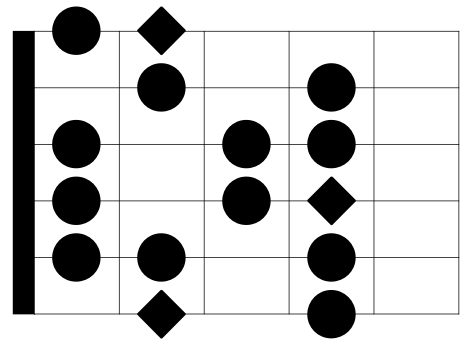
The Minor Scale = Whole Steps and Half Steps
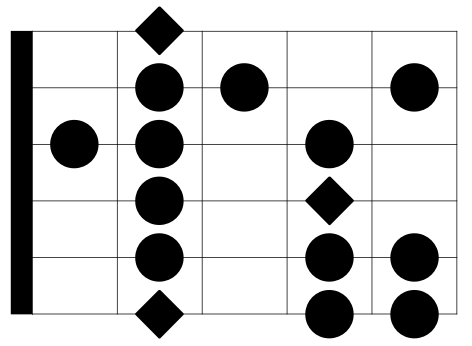
- Pentatonic Scales: Consisting of five notes, these scales are simpler and often used in rock, blues, and pop music. These are scales created from the natural 7-note major and minor scales. These allow for an easier concept of playability.
The Major Pentatonic Scale = Whole Steps, and Step and a Half
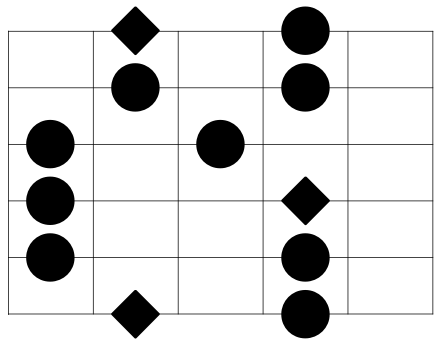
The Minor Pentatonic Scale = Whole Steps, and Step and a Half
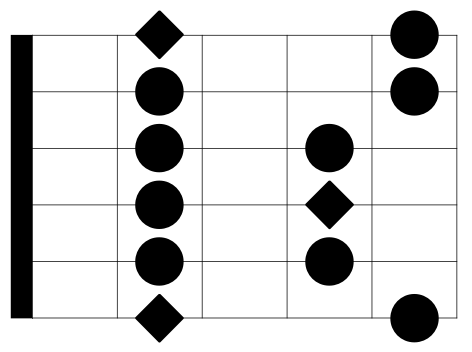
- Modes: Variations of the major scale that offer different tonal flavors, such as Ionian, Dorian, and Mixolydian. These allow you to extend your musical landscape by adding additional emotions to the scales previously learned.
The Ionian Mode = 1st Mode = Whole Steps and Half Steps
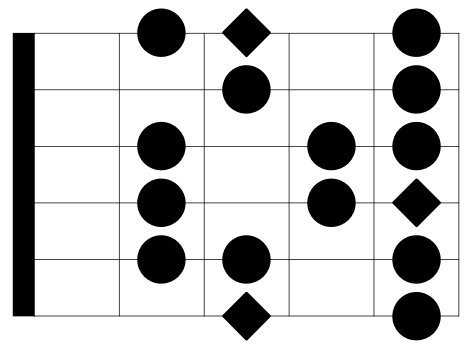
The Dorian Mode = 2nd Mode = Whole Steps and Half Steps

The Mixolydian Mode = 5th Mode = Whole Steps and Half Steps

"Notice the note intervals in these scale patterns. Also, notice how they span across the fretboard to be easily learned and played. The goal here is to master the note intervals of the scales on each of the 6 strings. Master the intervals, and you'll master the fretboard!"
Benefits of Understanding Guitar Scale Theory
1. Enhances Improvisational Skills
By knowing scales, you gain the ability to improvise with confidence. You'll be able to create solos on the spot, seamlessly fitting them into the key of the song you're playing.
2. Improves Music Composition
Scale theory opens up a world of creative possibilities when composing music. You'll understand which notes work well together, allowing you to craft compelling melodies and harmonies.
3. Boosts Technical Proficiency
Practicing scales improves your finger dexterity and muscle memory. As you become more comfortable with scales, your overall guitar technique will become more refined.
4. Increases Musical Understanding
Understanding scale theory deepens your overall musical knowledge. You'll be able to analyze songs more effectively and recognize patterns and structures that were previously elusive.
How to Get Started with Guitar Scale Theory
- Learn the Basics: Start by familiarizing yourself with the major and minor scales. Practice these scales in different keys across the fretboard. This will allow your ear to get used to the way they sound, as well as allow your eyes to visualize the scale pattern.
- Practice Regularly: Dedicate time each day to practicing scales. Begin slowly, focusing on accuracy before increasing speed. The best way to do this is to work with a metronome. This can be found online for free and is a great tool to build timing and develop rhythm.
- Explore Different Scales: Once comfortable with the basics, branch out into pentatonic scales, modes, and other variations. This will allow you to add a variety of emotions to your playing. Each scale pattern provides a different shade of color.
- Apply Your Knowledge: Use your understanding of scales to improvise and compose. Experiment with creating your own solos and riffs. This will take the knowledge from your head into practical application. Knowing in theory is fine, but putting it into practical application is the goal.
Understanding guitar scale theory is a powerful tool that can transform your playing. It enhances your improvisational abilities, improves your technical skills, and opens up new avenues for creativity. By investing time in learning scale theory, you'll unlock the full potential of your guitar playing and become a more versatile and expressive musician. Embrace the journey, and watch your skills soar.
Dive Deeper Into Scale Theory
If you'd like to dive deeper into scale theory, I recommend you check out the method book that I authored, called Learn Guitar Scale Theory.
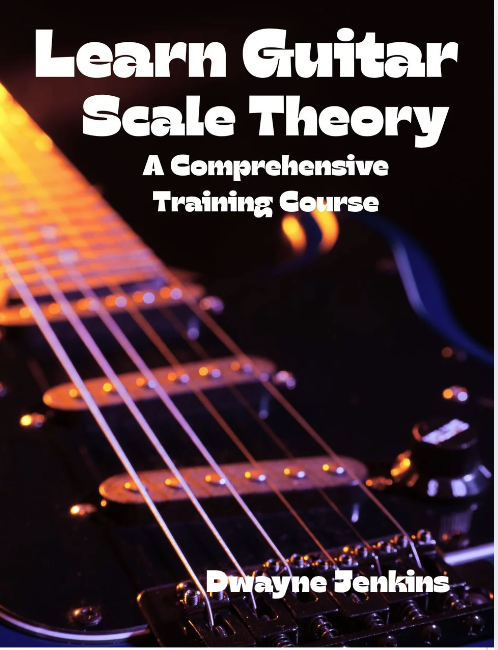
This handy little book expands on what has been taught in this lesson. How the major scale is the foundation of all scales, and how to easily create 2 additional minor scales from the major for a greater variety of musical options. You'll learn how the 5 pentatonic scale patterns are developed and used for crafting riffs, solos, and melody lines.
You'll unlock the mystery of the modes and learn the other 4 that enhance the 3 learned in this lesson. You'll see very clearly why they work the way they do, and how you can use them to improve your overall playing and musicianship.
You'll get insight into why the pentatonics are so popular and how you can use them in the same ways that your favorite guitar players do. You'll also learn about how to add a particular note to the penttonics and create the blues scales. All this and more can be learned from this handy little training guide that is currently on sale.
Personal Assistance Available
And if that's not enough, if you happen to get stuck on a lesson, you can email me, and I'll be happy to help at no extra charge. My way of saying thanks for supporting my lessons. With that kind of assistance, you're sure to be a success.
So if you're serious about taking your guitar playing to the next level and would like some personal assistance, I recommend you check out the book. It will work wonders for you. Available in both digital and paperback formats for your convenience.
Thank you for your time today, and happy jamming.
Sincerely, Dwayne Jenkins