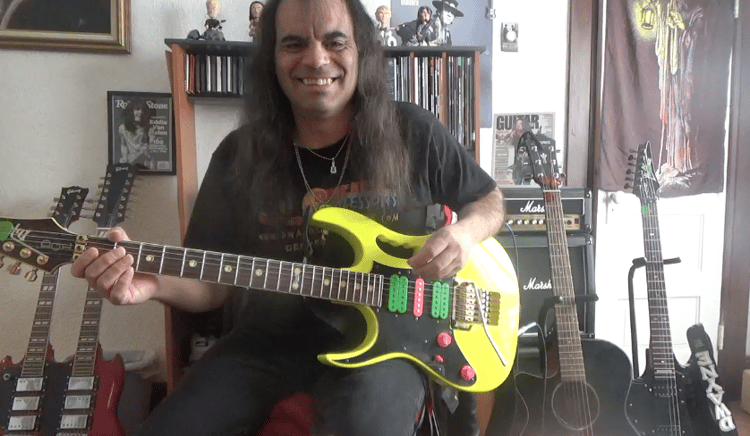
In this lesson, we will learn about groove essentials. Unlocking the secrets to dynamic rhythm guitar playing. Rhythm guitar is the backbone of most musical ensembles, providing the harmonic foundation and rhythmic drive that keep a song moving.
Whether you're playing rock, funk, jazz, or any other genre, mastering rhythm guitar is essential for any guitarist who wants to contribute meaningfully to a band. In this blog post, we will explore the groove essentials that will help you unlock the secrets to dynamic rhythm guitar playing.
Understanding the Groove
Before diving into techniques, it's crucial to understand what groove means in the context of music. Groove refers to the sense of propulsive rhythmic "feel" or sense of "swing" that makes you want to move. It's what gets people tapping their feet or nodding their heads along to the music. A guitarist with a strong groove can transform a simple chord progression into something irresistibly infectious.
Key Components of Groove
- Timing: The foundation of any groove is impeccable timing. Practice daily with a metronome to make sure that your playing is consistently in time. This will help you develop the internal clock each musician must have and lock in with the rhythm section.
- Feel: While timing is about precision, feel is about subtlety. It involves playing slightly ahead or behind the beat. This is another area where mastering timing comes in. This allows you to create tension, release, and add personality to your playing.
- Dynamics: Varying the volume and intensity of your strumming or picking can add layers to your groove. This is where mastering feel can be instrumental. By doing so, you take the listener on a musical journey. Use dynamics to emphasize specific beats or create contrast within your rhythm patterns and timing sequences.
Techniques for Dynamic Rhythm Guitar Playing
Strumming Patterns
Strumming patterns are the rhythmic backbone of many songs. Experiment with different patterns to see how they change the texture of the music. For example, try strumming downward first, then alternating between downstrokes and upstrokes. Then incorporate muted strums for a percussive effect.


Chord Voicings
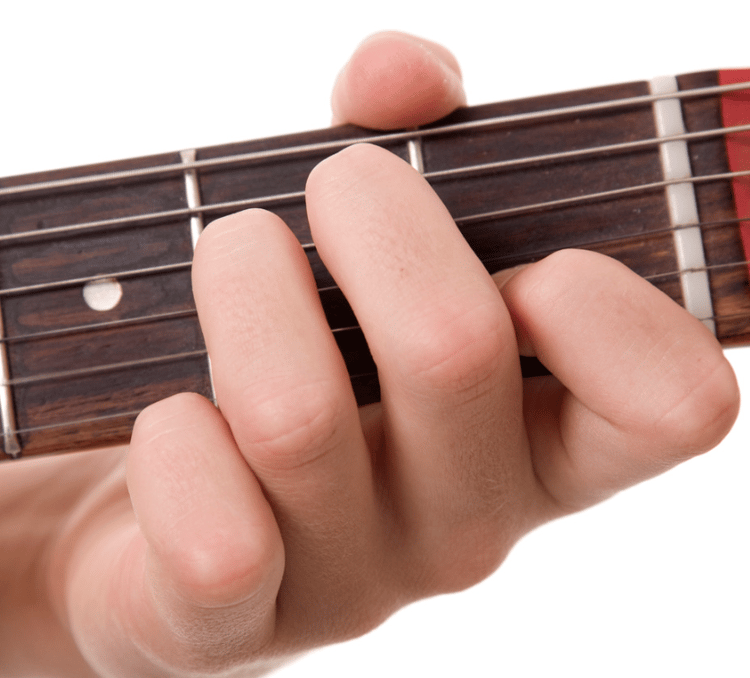
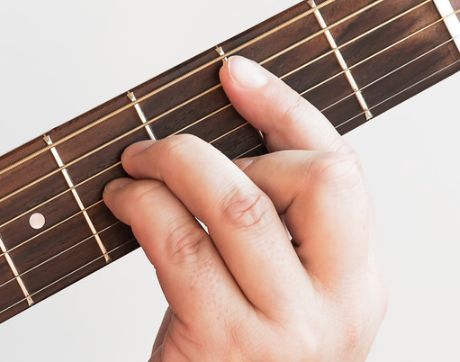
Using different chord voicings can drastically change the sound of your rhythm playing. Experiment with open chords, barre chords, and power chords. Each has its own character and can be used to match the song's mood.
A Minor Open Chord
B Minor Bar Chord
Syncopation
Syncopation involves emphasizing unexpected beats or off-beats, creating an interesting and engaging groove. This can be achieved by accenting specific strums or using rests strategically.
Palm Muting
Palm muting allows you to control the sustain of the strings, adding a percussive and dynamic element to your playing. This technique is particularly effective in rock and metal genres, where a tight, punchy sound is desired.
Practicing for Groove Mastery
Use a Metronome
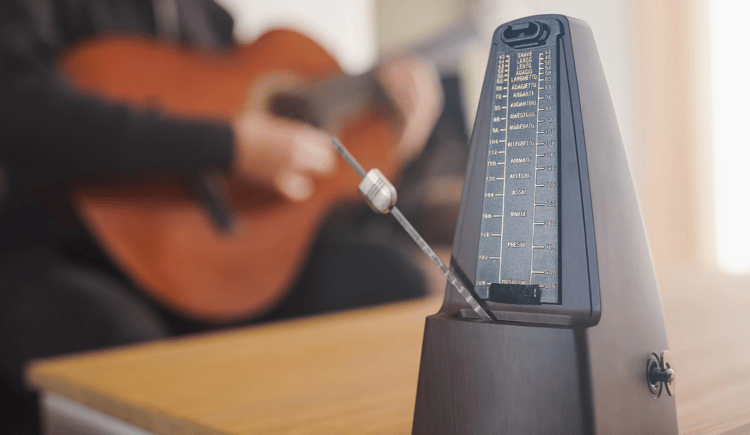
Practicing with a metronome is essential for developing a strong sense of timing. Start slow and gradually increase the tempo as you become more comfortable with different grooves. This also helps you build muscle memory and precision, and provides consistency in your playing. This is vitally important for more complex rhythms.
Record Yourself

I think recording your practice sessions can give you valuable feedback. Listen back to identify areas where your timing or dynamics can be improved. This is a great skill to develop because when you listen to or view yourself from this angle, you gain a different perspective that gives you insight into how to improve what you are working on.
Play Along with A Drummer

Playing along with drum tracks or a live drummer can help you develop a better understanding of how your parts fit within the larger rhythmic structure of a song. This also gives you a foundation to stand on for coming up with ideas. Oftentimes, a solid beat can fuel your creativity. Give you a moment to think of what might fit in with its timing structure.
Dive Deeper Into Groove Essentials
If you'd like to learn more about improving your rhythm and timing, I recommend checking out the book I authored on the subject. Learn to Play Rhythm Guitar.
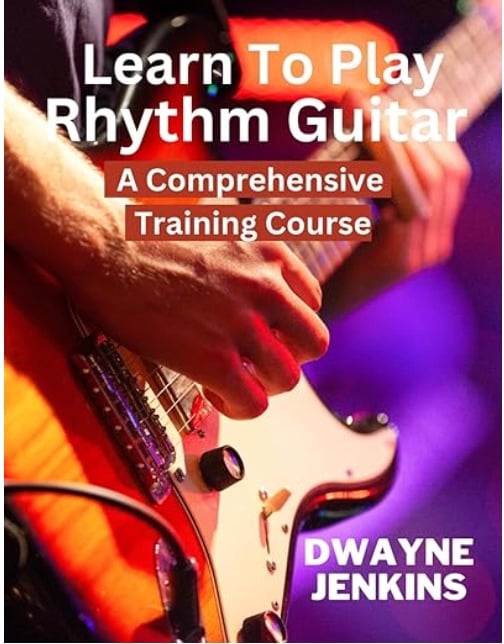
Within this book, you will master the art of rhythm guitar playing. You'll become proficient at chords, strumming patterns, theory, and much, much more, with diagrams, easy-to-read notation, and step-by-step instructions that anyone can learn from. Even if you have no prior musical training, if you're serious about taking your guitar playing to the next level, grab the book and get started today on your journey to groove excellence.
Mastering the groove essentials of rhythm guitar playing can elevate your musicianship and make you an invaluable member of any band. By focusing on timing, feel, and dynamics, and employing various techniques, you can create compelling, dynamic rhythm parts that enhance any musical performance. Keep practicing, stay patient, and most importantly, enjoy the process of discovering your unique groove!
Thanks for your time today. If you have any questions, feel free to reach out. I am always happy to help. Good luck with your guitar playing, and until our next lesson, take care.
Sincerely, Dwayne Jenkins
Dwayne's Guitar Lessons