
Modes are a fascinating and integral part of music theory, offering a wide array of tonal possibilities that can enrich your playing and compositional skills. Originating from ancient Greek music, modes have evolved over centuries and remain a vital element in Western music, providing unique sonic landscapes that can transform a simple melody into something extraordinary.
What Are Modes?
Modes are scales derived from the major scale, each starting on a different note of the scale. While the major scale (also known as the Ionian mode) is the most familiar, there are six other modes, each with its own character and emotional quality. By understanding and utilizing these modes, you can explore new musical textures and express a broader range of emotions in your music.
The Seven Modes
Ionian: The first of the modes. Equivalent to the major scale, the Ionian mode is bright and happy, often used in a wide variety of music.
Dorian: The second mode. Known for its jazzy and soulful sound, the Dorian mode is a minor scale with a raised sixth, offering a unique twist on the traditional minor feel.
Phrygian: The third mode. This mode has a distinct Spanish or Middle Eastern flavor, characterized by a minor scale with a lowered second.
Lydian: The fourth mode. With its raised fourth, the Lydian mode has a dreamy and ethereal quality, often used in film scores and jazz.
Mixolydian: The fifth mode. Popular in rock and blues, the Mixolydian mode features a major scale with a lowered seventh, giving it a bluesy feel.
Aeolian: The sixth mode. Also known as the natural minor scale, the Aeolian mode is somber and introspective, commonly used in various musical genres.
Locrian: The seventh mode. The most unique of the modes, the Locrian mode has a diminished fifth, making it dark and unstable, often used for tension and dissonance.
Historical Context
The concept of modes dates back to ancient Greece, where they were named after different regions or tribes. These modes were initially used to convey specific emotions and characteristics in music. Over time, modes were adapted into Gregorian chant and later incorporated into Western classical music, ultimately influencing many musical genres we know today.
Practical Application
Understanding modes allows musicians to expand their harmonic vocabulary and explore new melodic ideas. Whether you're composing, improvising, or simply exploring new sounds, modes offer a framework for creating music that resonates with different emotions and styles.
Exercises
Scale Practice: Play each mode starting from the same root note. Focus on the unique intervals and sound of each mode.
Ear Training: Listen to examples of each mode in different types of music. Try to identify the mode by its characteristic sound.
Improvisation: Choose a mode and improvise a melody or solo. Pay attention to the mood and atmosphere created by the mode.
#1. The Ionian Mode (Major) = 1 2 3 4 5 6 7
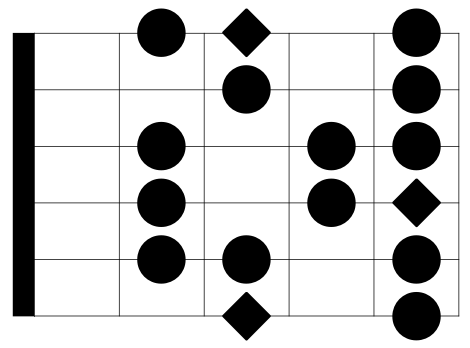
Characteristics
- Equivalent to the Major Scale: The Ionian mode is identical to the major scale, starting on the first degree of the scale. Its interval pattern is whole, whole, half, whole, whole, whole, half.
- Bright and Uplifting: Known for its cheerful and harmonious sound, the Ionian mode is often associated with happiness and positivity. It is the backbone of many Western musical compositions.
Practical Applications
- Songwriting: The Ionian mode is a staple in popular music, providing a familiar and stable foundation for melodies and chord progressions.
- Harmonization: Its consonant intervals make it ideal for creating rich harmonies and lush arrangements.
- Improvisation: When improvising in the Ionian mode, focus on its natural and open sound. This mode works well over major chords and progressions.
#2. The Dorian Mode (Minor) = 1 2 b3 4 5 6 b7
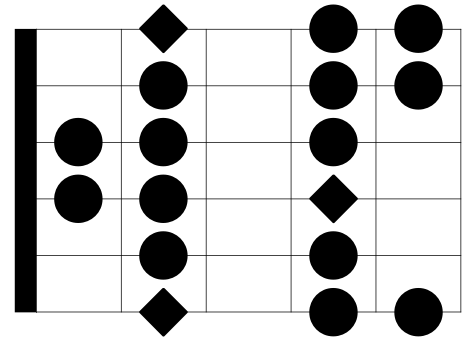
Characteristics
- Minor with a Twist: The Dorian mode is a minor scale with a flat 3rd and a flat 7th note. Its interval pattern is whole, half, whole, whole, whole, half, whole.
- Jazzy and Soulful: The raised sixth gives the Dorian mode a unique, jazzy feel, making it both melancholic and hopeful. It is often used to convey a more complex emotional narrative.
Practical Applications
- Jazz and Blues: The Dorian mode is a favorite in jazz and blues, offering a sophisticated sound that blends well with expressive chord changes.
- Fusion and Rock: Its versatility makes it suitable for fusion and rock, where it can add depth and nuance to solos and compositions.
- Improvisation: Use the Dorian mode to create solos that are both introspective and dynamic. It pairs well with minor 7th chords and progressions that emphasize the raised sixth.
Daily Exercises
- Mode Practice: Start by playing the Ionian and Dorian modes in different keys. Focus on their distinct intervals and the moods they evoke.
- Ear Training: Listen to pieces that utilize the Ionian and Dorian modes. Identify the mode by its sound and the emotional effect it creates.
- Improvisation: Choose a backing track in a major key for the Ionian mode and a minor key for the Dorian mode. Improvise melodies and solos, paying attention to each mode's unique characteristics.
#3. The Phrygian Mode (Minor) = 1 b2 b3 4 5 b6 b7
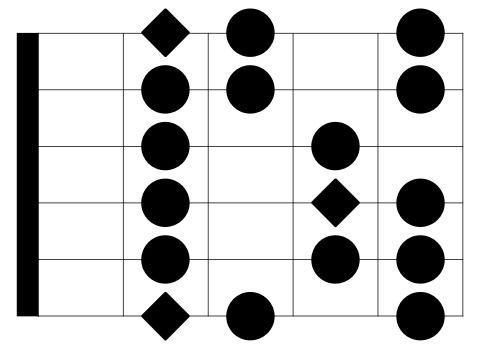
Characteristics
- Spanish and Middle Eastern Flavor: The Phrygian mode is known for its exotic and mysterious sound, often associated with Spanish and Middle Eastern music. This mode can impart a haunting, dramatic quality to your music.
- Minor with a Lowered Second: The Phrygian mode is a minor scale with a distinctive lowered second. Its interval pattern is half, whole, whole, whole, half, whole, whole.
Practical Applications
- Flamenco and Spanish Music: The Phrygian mode is widely used in flamenco and Spanish music, providing a characteristic sound that evokes the region's musical traditions.
- Heavy Metal and Rock: Its dark and intense sound makes the Phrygian mode a favorite in heavy metal and rock genres.
- Improvisation: Use the Phrygian mode to create solos that are mysterious and captivating. It pairs well with minor chords, especially those with a lowered ninth.
Daily Exercises
- Mode Practice: Play the Phrygian mode in different keys, focusing on its distinctive intervals and sound.
- Ear Training: Listen to pieces that utilize the Phrygian mode and identify its characteristic sound.
- Improvisation: Choose a backing track in a minor key and improvise using the Phrygian mode, exploring its unique tonal qualities.
#4. The Lydian Mode (Major) = 1 2 3 #4 5 6 7

Characteristics
- Dreamy and Ethereal: The Lydian mode is known for its bright and uplifting sound, often described as dreamy or ethereal. It is characterized by a raised fourth, which contributes to its unique, floating quality.
- Major with a Raised Fourth: The Lydian mode is a major scale with a raised fourth degree. Its interval pattern is whole, whole, whole, half, whole, whole, half.
Practical Applications
- Film Scores and Jazz: The Lydian mode is popular in film scores and jazz, where its ethereal quality can create a sense of wonder and expansiveness.
- Progressive Rock and Fusion: Its bright and unconventional sound makes the Lydian mode suitable for progressive rock and fusion, adding depth and complexity to compositions.
- Improvisation: Use the Lydian mode to craft solos that are uplifting and expressive. It pairs well with major chords, especially those emphasizing the raised fourth.
Daily Exercises
- Mode Practice: Play the Lydian mode in different keys, paying attention to its raised fourth and the mood it creates.
- Ear Training: Listen to examples of the Lydian mode in various musical contexts and recognize its distinct sound.
- Improvisation: Improvise over a major chord progression using the Lydian mode, focusing on its ethereal and expansive qualities.
#5. The Mixolydian Mode (Major) = 1 2 3 4 5 6 b7
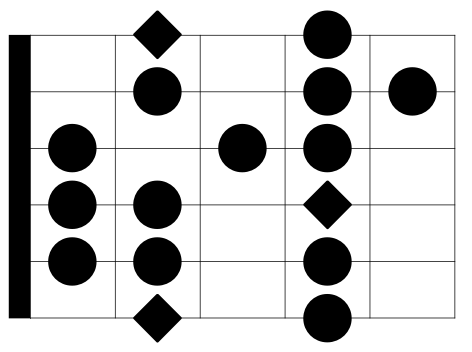
Characteristics
- Major with a Twist: The Mixolydian mode is a major scale with a flattened seventh degree. Its interval pattern is whole, whole, half, whole, whole, half, whole.
- Bluesy and Rocking: Known for its bluesy feel, the Mixolydian mode is often used in rock, blues, and jazz music. It provides a sense of tension and resolution that is both familiar and dynamic.
Practical Applications
- Rock and Blues: The Mixolydian mode is a staple in rock and blues, where its lowered seventh gives a distinctive edge to solos and riffs.
- Jazz and Fusion: Its versatility makes it suitable for jazz and fusion, offering a rich palette for improvisation.
- Improvisation: Use the Mixolydian mode to create solos that are vibrant and expressive. It pairs well with dominant 7th chords and progressions.
Daily Exercises
- Mode Practice: Play the Mixolydian mode in various keys, focusing on its lowered seventh and the mood it creates.
- Ear Training: Listen to pieces that utilize the Mixolydian mode and identify its characteristic sound.
- Improvisation: Choose a backing track in a major key and improvise using the Mixolydian mode, exploring its bluesy qualities.
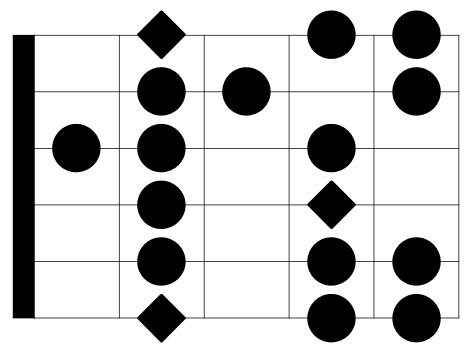
#6: The Aeolian Mode (Natural Minor) = 1 2 b3 4 5 b6 b7
Characteristics
- Natural Minor: The Aeolian mode is equivalent to the natural minor scale, with an interval pattern of whole, half, whole, whole, half, whole, whole.
- Somber and Reflective: Known for its melancholic and introspective sound, the Aeolian mode is a common choice for conveying emotions ranging from sadness to introspection.
Practical Applications
- Classical and Folk: The Aeolian mode is widely used in both classical and folk music, providing a foundational sound for minor-key compositions.
- Rock and Metal: Its somber quality makes it a favorite in rock and metal, adding depth and emotion to music.
- Improvisation: Use the Aeolian mode to create solos that are emotive and introspective. It pairs well with minor chords and progressions.
Daily Exercises
- Mode Practice: Play the Aeolian mode in different keys, paying attention to its intervals and emotional impact.
- Ear Training: Listen to examples of the Aeolian mode in various musical contexts and recognize its distinct sound.
- Improvisation: Improvise over a minor chord progression using the Aeolian mode, focusing on its expressive qualities.
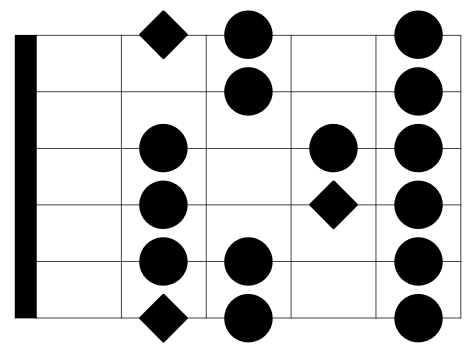
#7. The Locrian Mode (Diminished) = 1 b2 b3 4 b5 b6 b7
Characteristics
- Diminished and Unstable: The Locrian mode is characterized by a diminished fifth, with an interval pattern of half, whole, whole, half, whole, whole, whole.
- Dark and Tense: Renowned for its dissonant and unstable sound, the Locrian mode is frequently employed to evoke tension and drama in music.
Practical Applications
- Experimental and Avant-garde: The Locrian mode is used in experimental and avant-garde music, where its unique sound adds intrigue and complexity.
- Metal and Jazz Fusion: Its dark quality makes it suitable for metal and jazz fusion, providing a distinctive edge.
- Improvisation: Use the Locrian mode to create solos that are tense and dramatic. It pairs well with diminished chords.
Daily Exercises
- Mode Practice: Play the Locrian mode in different keys, focusing on its diminished fifth and unique sound.
- Ear Training: Listen to pieces that utilize the Locrian mode and identify its characteristic sound.
- Improvisation: Improvise over a diminished chord progression using the Locrian mode, exploring its dark and tense qualities.
Conclusion
By mastering the seven modes, you’ll enhance your musical palette and gain the ability to express a wide range of emotions through your guitar playing. As well as enhance your knowledge of the guitar fretboard. Utilizing them not only for playing guitar solos, but also for creating rhythms as well. These modes offer unique ways to enrich your compositions and inspire new creative paths in your music.
Dive Deeper Into The Modes
Diving deeper will allow you to unlock the true potential of the modes. This can be done with the book I authored called How To Play Guitar Modes.

This guitar method book breaks down the 7 modes into very simple step-by-step lessons. This allows for quicker study and understanding of the techniques, concepts, and principles associated with the guitar modes. Opening you up to a whole new world of possibilities.
This book serves as a comprehensive guide and workbook specifically designed to assist you in your journey to becoming a successful guitarist. It provides comprehensive guidance, practical exercises, and valuable insights to navigate the process effectively.
Free Support Available
And best of all, if you have any questions or get stuck on a lesson, you can contact me at my website, and I will be happy to help you. The modes have mystique to them, and with the right training and the desire to learn, you can unlock them and take your playing to the next level.
The book is available in digital and paperback formats and is available where all books are sold for your convenience. Learn anywhere, any time, and have fun in the process. Thanks for your time today, and best of luck with your guitar playing.
Sincerely, Dwayne Jenkins