
In today's lesson, we will explore cultivating effective guitar scale practice habits for the modern guitarist. Learning to play the guitar proficiently requires dedication, patience, and strategic practice. One key area of focus is mastering guitar scales. Scales are the foundation for developing soloing skills, improving finger dexterity, and understanding music theory. In this guide, we’ll explore effective guitar scale practice habits tailored for the modern guitarist.
Understanding the Importance of Scales
Before diving into practice routines, it's crucial to understand why scales are essential
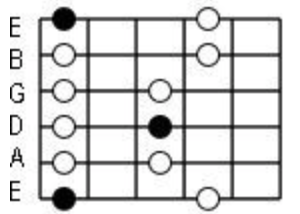
- Foundation of Music: Scales form the basis of melody and harmony. All chords come from scales, so knowing the notes in a particular scale gives you insight into what chords can work with it. This will help you craft better guitar solos.
- Improved Technique: Regular practice enhances dexterity and finger strength. Since scales are individual notes that move across the fretboard, enhancing your finger independence through finger exercises helps to accomplish this.
- Enhanced Improvisation: Knowledge of scales facilitates the crafting of solos and improvisations. This allows you to create guitar riffs, solos, and melody lines at will. No need to think about it, you just let your fingers fly.
- Theoretical Insight: Scales help in understanding chord progressions and song structures. As I stated before, chords come out of scales. String a few chords together and you have a chord progression. Add a compelling storyline, and you have a song. That's how you create award-winning music.
Setting Goals and Creating a Routine
To make the most of your practice sessions, set clear goals and establish a consistent routine

Define Your Objectives
- Skill Level Assessment: Evaluate your current skill level to tailor your practice. If you are just starting, work on the fundamentals. Chords, basic theory, finger exercises, etc. This will help you build a solid foundation. If you are past that, work on progressions, soloing techniques, intermediate theory, etc. More advanced work on songwriting, recording, and performance.
- Specific Goals: Set achievable goals, such as mastering a particular scale or improving speed. These will keep you focused and help you make the best use of your time. This will help build confidence and perseverance.
- Short and Long-Term Plans: Balance immediate objectives with broader musical aspirations. At this level, you might want to work on learning your favorite songs and composing your own. Then, learn about recording and live performance, or possibly passing on what you have learned through teaching.
Establish a Practice Schedule
- Consistency is Key: Practice daily, even if it's for a short duration. It is far better to practice daily for short periods of time than to practice infrequently for longer periods of time. This approach keeps the information fresh in your mind and your hands and finger muscles in consistent practice.
- Allocate Time Wisely: Dedicate specific time blocks each day to scale practice. By doing this, you stay familiar with what you have currently learned, while continuing to unlock future mysteries of the fretboard. Learning about guitar scales is like studying the Egyptian hieroglyphics; there is much mystery to uncover.
- Incorporate Variety: Rotate between different scales to keep sessions engaging. This will keep you from getting bored with your own playing. I see this all the time. You must keep learning. Learn 5 to 7 scales, and then work on one each day for the week. This will build confidence and comprehension in using them in the right context.
Techniques for Effective Scale Practice
To maximize the benefits of your practice, incorporate these techniques

Warm-Up Exercises
- Finger Stretching: Begin with stretching exercises to prevent injury. Think of yourself like an athlete who stretches before they engage in any activity. This will keep your finger muscles strong and help to eliminate fatigue and stress on your hands.
- Simple Patterns: Start with easy scale patterns to gradually warm up your fingers. I recommend the pentatonic scales. These are easy to play and very popular in many genres of music. Knowing these will not only help with effective scale practice and finger dexterity but also provide knowledge of the fretboard.
Use a Metronome
- Develop Timing: A metronome helps maintain consistent tempo and rhythm. One thing that is mandatory in music is developing proper timing. Essential for the rhythm and lead guitarist. Working with a metronome helps with developing the internal clock that all musicians must have.
- Incremental Speed Increase: Gradually increase the tempo to challenge your speed and accuracy. By doing so, you will be able to focus on sounding out each note clearly as you play it. You start slow and build the foundation, and then progress over time.
Focus on Technique
Focus is everything in music, so make sure to take time developing this asset
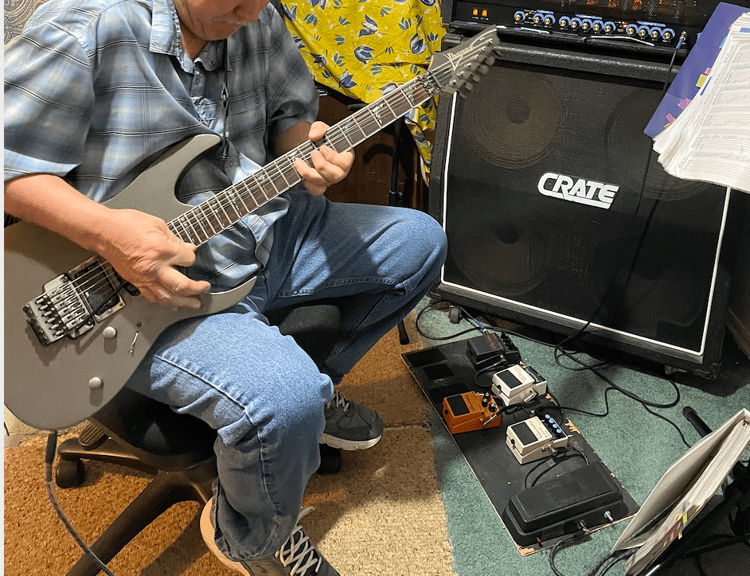
- Proper Posture: Ensure correct hand and body positioning to avoid strain. This is very important, especially at the beginning of your journey. Proper hand and finger positioning can make a world of difference in your guitar playing. So, don't overlook focusing on this element.
- Alternate Picking: Use alternate picking to improve speed and control. Start with down picking each note. Once you have that down, alternate picking each note. First one down, second one up. Go through the scales and repeat the process.
- Economy of Motion: Minimize finger movement for efficient playing. This will help you to play faster with less fatigue. Especially with techniques such as sweep picking and legato runs. When you can play more notes with less finger motion, you create very cool sounds.
Incorporating Technology
Modern technology offers tools that can enhance your practice
Online Resources and Apps
- Guitar Apps: Use apps like Guitar Pro or Yousician for interactive scale practice. These allow you to enhance your playing and excel quickly. This is the true benefit of modern technology. Since it's here, might as well use it.
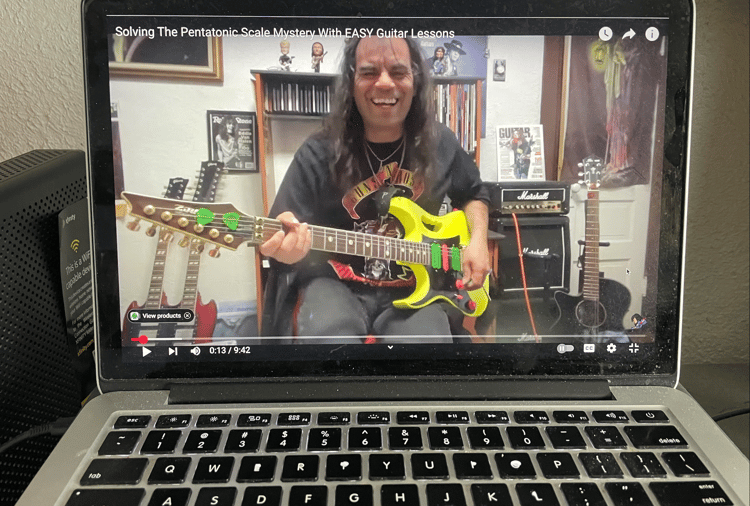
- Video Tutorials: Access online tutorials to learn new scales and techniques. This will allow you to visually see how the technique is to be executed properly. Start off with YouTube, and then find a nice online course that will teach you in more detail.
Recording and Playback
- Self-Assessment: Record your practice sessions to evaluate progress. This can be very helpful because you will be able to track your progress. Keeping track of your progress makes sure that you are where you need to be at all times, and how much further you need to go to get to your desired destination.
- Playback: Listen to recordings to identify areas for improvement. This allows you to hear yourself from a different perspective. It is a subtle notion, but when you listen back to yourself, you get a different perception of yourself. Very much like looking back at yourself in a mirror. You see your true identity.
Staying Motivated
Maintaining motivation is crucial for consistent practice
Track Progress
- Journaling: Keep a practice journal to track achievements and challenges. This allows you to create a visual roadmap and see very clearly where you are at all times. It allows you to know what you've accomplished and what you still need to work on.
- Celebrate Milestones: Acknowledge improvements to stay encouraged. This is very important as it keeps you feeling good about what you are attempting to accomplish. Celebrate your discoveries, and keep a record of them. They will help you unlock more mysteries of the fretboard.
Connect with Others
- Join a Community: Participate in guitar forums or groups for support and inspiration. Of course, this is not for everyone. Some people like to go it alone, and that's fine. But if you like working with others, the community can be a great way to exchange ideas.
- Practice with Peers: Collaborate with fellow musicians for shared learning experiences. When you do this, you discover insights you didn't know existed. A new way of looking at the instrument. A new approach, a new scale that takes your playing in a whole new direction.
Conclusion
Recapping the key points of this lesson to make sure you fully understand it

Cultivating effective guitar scale practice habits requires a combination of strategic planning, consistent effort, and the use of modern tools. By setting clear goals, maintaining a structured routine, and leveraging technology, you can enhance your guitar playing skills and enjoy the journey of musical discovery. Remember, the key to progress is patience and persistence, so keep practicing and let your passion for music guide you.
Diving Deeper Into Scales
There is much mystery to uncover in scales, and having the keys to unlock them can make it a lot easier and save you time and frustration. That is why I've authored many books on this topic, which can be found where all books are sold. One of them I recommend is my current method book. Lead Guitar Shredder: A Beginner's Guide To Shred Guitar.

This training course walks you step-by-step through the wondrous world of guitar scales. It will give you the keys to unlock the mysteries of the fretboard. With diagrams, notation, exercises, concepts, and techniques designed to enhance your lead guitar proficiency.
You will start with the fundamentals of lead guitar playing and progress through the techniques needed to develop into a lead guitar shredder. Each concept is broken down into easy-to-understand steps, ensuring you grasp the concepts before moving on to the next section. You'll learn the importance of scales and modes, and how you can seamlessly incorporate them into your guitar playing.
And best of all, it comes with free email support. So, if you get stuck on a lesson or have any questions about what you are learning, just contact me, and I will be happy to help. Currently on sale, this method book will have you playing jaw-dropping solos in no time. So, check out the book today, and see where your commitment to the instrument takes you.
Thanks for your time today. Put into practice what this lesson has taught you, and see your guitar playing leap to the next level. Contact me if needed, and have a great day.
Sincerely, Dwayne Jenkins
Dwayne's Guitar Lessons