

For many guitarists, crafting a solo is both a challenging and rewarding endeavor. Creating a solo that captivates an audience requires a blend of technical skills, creativity, and personal expression. This lesson explores the journey to mastering guitar solos, offering insights and tips to help you develop your unique voice on the instrument.

#1.) Understanding the Basics
Before diving into crafting solos, it’s essential to have a solid understanding of music theory and guitar techniques. This foundation will give you the tools to express your creativity effectively.
Ear Training
Developing your ability to recognize pitches, intervals, and chord progressions by ear is crucial. This skill allows you to translate the music you hear in your head onto the guitar, enhancing your ability to create more expressive and authentic solos.
Rhythm and Timing
A strong sense of rhythm and timing is vital for any musician. Practice with a metronome to ensure your solos are tight and well-timed. Understanding different time signatures and rhythmic patterns will enable you to add variety and complexity to your solos.
Chord Progressions
Familiarize yourself with common chord progressions, as they form the backbone of many songs. Knowing how to play over these progressions will help you create solos that are not only melodically interesting but also harmonically rich.
The best place to start with chord progressions is the I-IV-V, three chords that fit together well in any key. Let's look at a simple example.
Key of C Major: C D E F G A B = 1 2 3 4 5 6 7
The I-IV-V chord progression would be: C F G
This concept works with any major or minor key. For a better understanding of this simple concept, try it out in common keys like G major, A minor, D major, and E minor. This will give you a fuller understanding of how this works.
#2.) Learn Scales and Modes
Scales and modes are the building blocks of solos. Familiarize yourself with major and minor scales, as well as modes like Dorian and Mixolydian. Practicing these scales will enhance your finger dexterity and help you navigate the fretboard with ease.
Understanding scales and modes is essential for any guitarist looking to craft expressive and unique solos. These musical frameworks provide the foundation for creating melodic lines and improvisations. Here's an overview of some important scales and modes to explore:
Essential Scales
- Major Scale: The major scale is one of the most fundamental scales in Western music. It has a happy, bright sound, making it a staple across many musical genres. Understanding the major scale is crucial for navigating the fretboard and for laying the foundation for more complex music theory concepts.

- Minor Scale: The natural minor scale provides a more melancholic or somber sound compared to the major scale. It is widely used in various music styles, offering a rich emotional palette for solos.
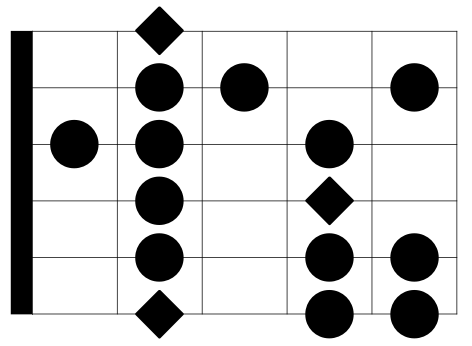
- Pentatonic Scale: The pentatonic scale, available in both major and minor forms, is stripped down to five notes. This simplicity makes it versatile and easy to use, especially for beginners. It's particularly popular in rock, blues, and pop music.

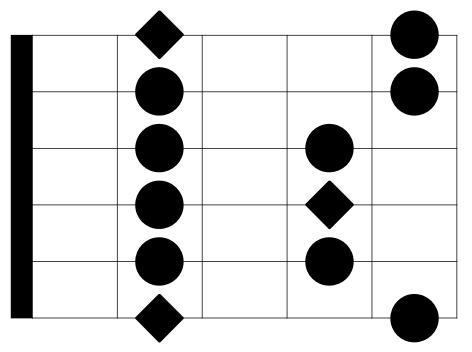
- Blues Scale: An extension of the minor pentatonic scale, both major and minor. The blues scale adds a "blue note" that gives it a distinctive sound. This scale is crucial for blues music but is also widely used in rock and jazz.
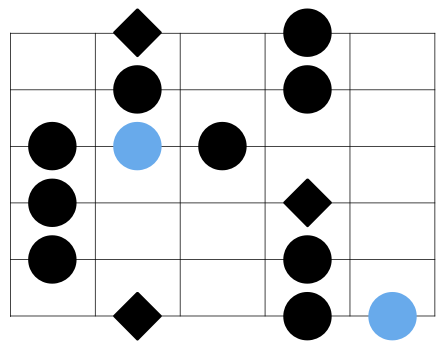

The 7 Essential Modes
- Ionian Mode: This mode is essentially the major scale, offering a bright and happy sound. It's often the starting point for understanding other modes.

- Dorian Mode: Known for its jazzy and slightly mysterious sound, the Dorian mode is a minor scale with a raised sixth degree. It is widely used in jazz, funk, and rock music.

- Phrygian Mode: With its Spanish or flamenco flavor, the Phrygian mode provides an exotic sound. It's characterized by a lowered second degree, making it ideal for creating tension and drama in solos.

- Lydian Mode: The Lydian mode has a dreamy and ethereal quality due to its raised fourth degree. This mode is great for adding a sense of wonder and exploration to your solos.
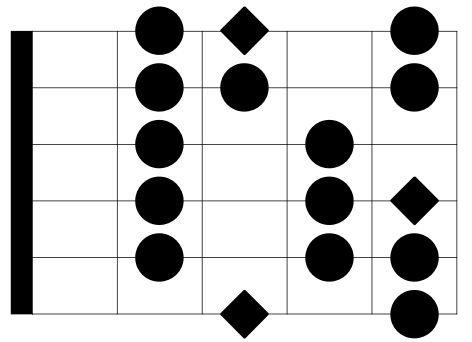
- Mixolydian Mode: Often associated with blues and rock, the Mixolydian mode has a dominant seventh sound, which is neither fully major nor minor. It's perfect for solos that need a bluesy edge.
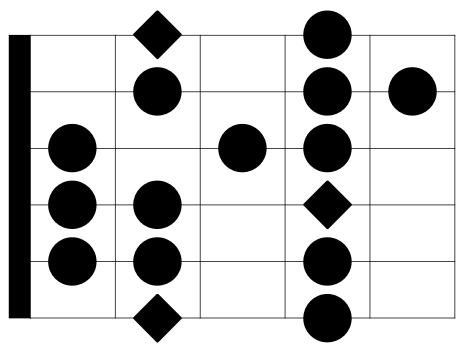
- Aeolian Mode: Also known as the natural minor scale, the Aeolian mode offers a rich and emotional sound. It's an essential mode for expressing deeper, more introspective feelings in your solos.
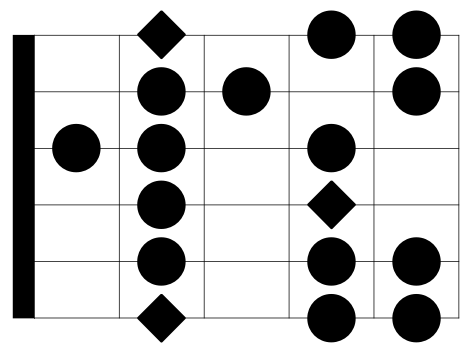
- Locrian Mode: The Locrian mode is the least commonly used due to its dissonant sound, characterized by a diminished fifth. However, it can create unique and dark atmospheres when used effectively.
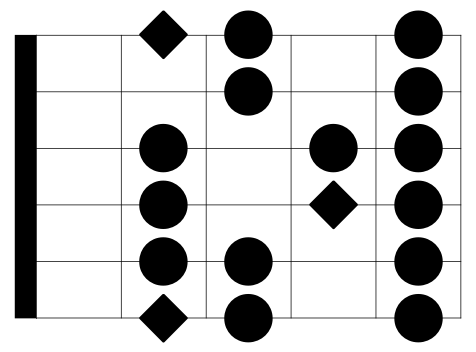
By exploring these scales and modes, you'll gain a deeper understanding of the guitar fretboard and enhance your ability to craft solos that are both technically proficient and emotionally expressive. Experiment with different combinations and discover how each scale and mode can contribute to your personal musical style.
#4.) Master Basic Techniques
Developing proficiency in techniques such as hammer-ons, pull-offs, bends, and slides is crucial. These techniques add emotion and flair to your solos, allowing you to convey different moods and styles.
- Incorporate Vibrato: Adding vibrato to your notes can bring them to life, giving your solos a more expressive and vocal-like quality. Practice controlling the speed and intensity of your vibrato to enhance the emotional impact of your playing.
- Master Alternate Picking: Alternate picking involves using a combination of downward and upward strokes to play notes. This technique enhances your speed and precision, making it easier to navigate complex passages. Practice alternate picking consistently to improve your overall dexterity and fluidity on the fretboard.
- Utilize String Bending: String bending is a powerful technique that allows you to bring a vocal-like quality to your solos. By pushing or pulling the string to raise its pitch, you can create expressive and dynamic sounds. Experiment with different bending techniques, such as full bends, half bends, and pre-bends, to add emotional depth and intensity to your solos.
By mastering these foundational techniques, you'll be able to convey a wide range of emotions and styles through your guitar solos. They serve as essential tools in your musical toolkit, helping you to develop a distinctive and personal sound.
#5.) Finding Your Creative Voice
Once you have the technical skills, it’s time to focus on creativity. Your solos should reflect your personality and musical influences.
- Experiment with Different Styles: Don’t be afraid to explore various genres and styles. Whether it's blues, jazz, rock, or classical, each genre offers unique elements that can inspire your solos. Listening to a wide range of music will also open your mind to new possibilities.
- Improvise Regularly: Improvisation is a powerful tool for discovering your musical voice. Set aside dedicated time to improvise daily. Use backing tracks or jam with other musicians to create spontaneous solos. This practice will improve your ability to think on your feet and enhance your creative expression.
#6.) Structuring Your Solo
- A well-structured solo has a beginning, middle, and end. It's like telling a story through music. It incorporates contrasting elements, such as alternating between fast and slow passages, to maintain listener interest and highlight different aspects of your playing style.
- Start with a Theme: Begin your solo with a simple motif or theme. This could be a catchy lick or a melodic phrase. Use this motif as the foundation of your solo, and build upon it as you progress.
- Develop the Solo: As your solo unfolds, gradually introduce variations and complexities. Use dynamics to create tension and release, keeping your audience engaged. Experiment with different note lengths, rhythms, and intervals to add variety to your solo.
- Conclude with Impact: End your solo with a memorable finish. This could be a high-energy climax or a gentle resolution, depending on the mood you wish to convey. A strong ending leaves a lasting impression on your audience.
#5.) Tips for Continued Growth
Crafting solos is a lifelong journey. Here are some tips to keep improving. To truly thrive in your journey of guitar mastery, embrace the unpredictability of creativity. Allow yourself to make mistakes and take risks, as these are often the catalysts for innovation and continued growth.
- Record and Review: Regularly record your solos and listen back. This will help you identify areas for improvement and track your progress.
- Study the Greats: Analyze solos by legendary guitarists. Understand what makes their solos compelling and incorporate those elements into your playing.
- Seek Feedback: Share your solos with other musicians or teachers. Constructive feedback can provide new perspectives and help you grow as a musician.
Embarking on the journey to creative lead guitar mastery is an exciting and fulfilling endeavor. With dedication, practice, and an open mind, you can craft solos that truly express your individuality and captivate your audience.
Dive Deeper Into Lead Guitar!
Playing lead guitar can be a lot of fun when you know how to do it properly. That is why I've authored a method book that can help you further with this lesson. Learn Guitar Scale Theory.

It's a good idea to start with learning scales. These will be the framework in which you will build upon. This will allow you to create a roadmap along the fretboard. Once you do, you then learn where to play them and how to use them to create jaw-dropping solos.
That's exactly what this book will show you how to do! Currently on sale, it will show you the most common guitar scales used by the masters of lead guitar. It will break them down into comprehensive learning step-by-step lessons for easy understanding. With diagrams and notation that anyone can learn from. Even if you have no previous music training.
Free Email Support
And best of all, you will receive free email support from me if you ever get stuck on a lesson. Have questions? Just contact me at my website, and I will be happy to help. Take this opportunity to elevate your guitar playing, and you'll be ahead of 99% of guitar players out there. Thanks for your time today, and good luck with your guitar playing.
Sincerely, Dwayne Jenkins
