
In this lesson, we will learn how to craft melodies. The art of using modes in your guitar playing. Guitars are one of the most versatile and expressive instruments, capable of conveying a wide range of emotions and stories. While many guitarists rely on the traditional major and minor scales, diving into the world of modes can open up new dimensions in your playing.
Understanding Musical Modes
Before you can effectively use modes in your guitar playing, it's essential to understand what they are. In music theory, modes are variations of scales that are derived from the major scale. Since there are seven notes to the major scale, and each mode is derived from each note, there are seven modes, each with its own unique sound and characteristic:
First Mode: Ionian
Also known as the major scale, it has a bright, happy sound. This is the first of the seven modes. The note formula for these modes is: 1 2 3 4 5 6 7
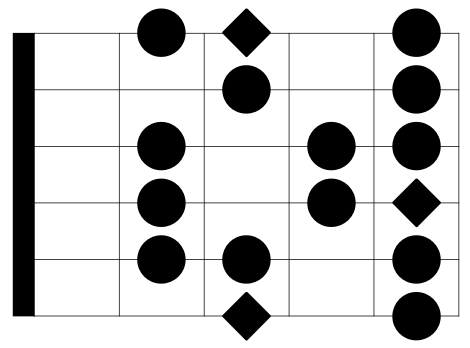
Second Mode: Dorian
This mode offers a jazzy, soulful feel with a minor quality. This is the second of the seven modes. The note formula for this mode is: 1 2 b3 4 5 6 b7
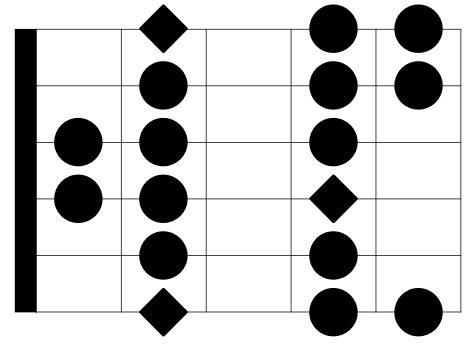
Third Mode: Phrygian
Known for its Spanish or exotic sound, it is often used in flamenco music. This is the third of the seven modes. The note formula for this mode is: 1 b2 b3 4 5 b6 b7
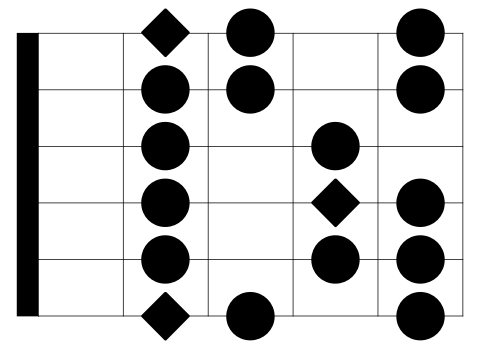
Fourth Mode: Lydian
Recognized by its dreamy, ethereal sound, this mode features a raised fourth. This is the fourth of the seven modes. The note formula for this mode is: 1 2 3 #4 5 6 7
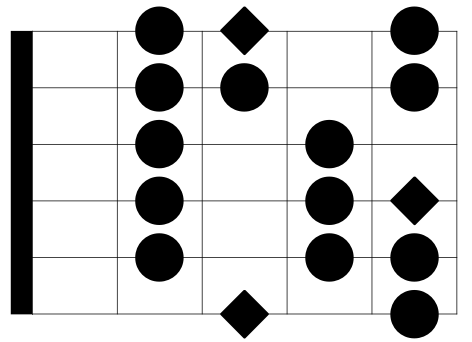
Fifth Mode: Mixolydian
Features a dominant seventh, giving it a bluesy, rock vibe. This is the fifth of the seven modes. The note formula for this mode is: 1 2 3 4 5 6 b7
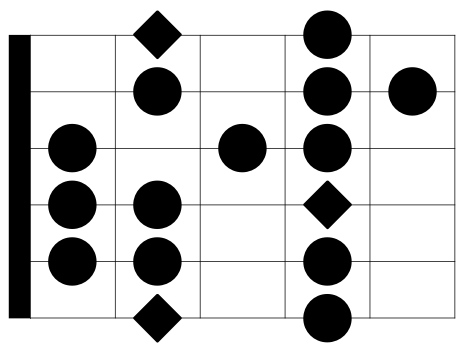
Sixth Mode: Aeolian
Also known as the natural minor scale, it has a somber and melancholic tone. This is the sixth of the seven modes. The note formula for this mode is: 1 2 b3 4 5 b6 b7
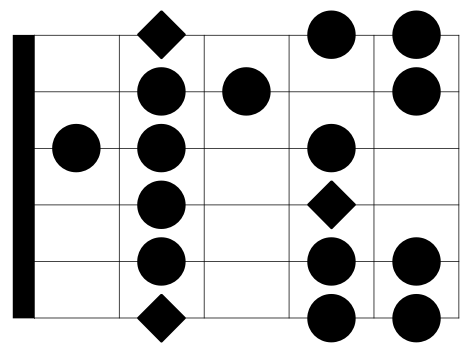
Seventh Mode: Locrian
This mode is rarely used because of its diminished fifth, which creates a tense, unstable sound. This is the seventh of the seven modes. The note formula for this mode is: 1 b2 b3 4 b5 b6 b7
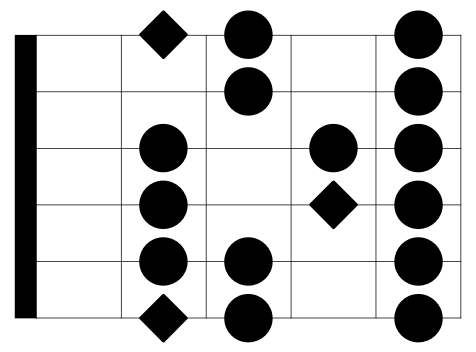
Study these seven modes and learn to play them in the order presented. Remember, each one represents a tone degree of the scale. Play them in a key you are most familiar with, then work on playing them in other keys. By doing this, you will master the modes and the fretboard.
How to Incorporate Modes into Your Guitar Playing
1. Explore Each Mode Individually
Start by familiarizing yourself with each mode on your guitar. Practice playing each mode in different positions and keys. This will help you understand the unique intervals and sounds of each mode, allowing you to identify which ones resonate with your musical style.
2. Experiment with Modal Chord Progressions
Modes aren't just about single-note melodies; they can also influence the chords you use. Try creating chord progressions that emphasize the unique characteristics of a particular mode. For example, a Dorian progression might include chords like Dm7, Em7, and G7. Listen to how the chords interact and create a distinct mood.
3. Compose Melodies Using Modes
Once you're comfortable with the sound of each mode, begin composing melodies that highlight its unique qualities. Use the distinctive intervals of the mode to craft songs that are both interesting and emotionally engaging. For instance, the raised fourth of the Lydian mode can add a sense of tension and release in your compositions.
4. Improvise with Modes
Improvisation is an excellent way to internalize modes and make them a natural part of your playing. Start by improvising over backing tracks that emphasize particular modes. Focus on using the characteristic notes of each mode to create solos that are both expressive and dynamic.
Tips for Mastering Modes
- Listen and Learn: Study music that incorporates modes, such as jazz, rock, and pop music. Pay attention to how different artists use modes to enhance their sound, and apply these ideas to your own compositions.
- Use Technology: Leverage apps and online resources to practice modes with metronomes and backing tracks. These tools can help you improve your timing and creativity. What is most important when playing the guitar and learning songs?
- Be Patient: Mastering modes takes time and practice. Be patient with yourself and enjoy the journey of discovering new sounds and techniques. This will allow you to unlock the mysteries of the fretboard and enhance your musicianship and craftsmanship.
Explore Deeper
If you'd like to explore the modes in more depth, be sure to check out the book I authored and self-published, How to Play Guitar Modes.

How to Play Guitar Modes is a method book for beginners and intermediate guitar students. It breaks down the 7 modes derived from the major scale into simple, easy-to-understand step-by-step lessons. This allows for quicker study and understanding of the concepts and principles associated with guitar modes. Using modes in your guitar playing can significantly enrich your musical expression and creativity. Currently available on Amazon, where all books are sold.
By understanding and experimenting with each mode, you can craft melodies that captivate and inspire. Whether you're composing, improvising, or simply exploring new musical landscapes, modes are a powerful tool for enhancing your guitar playing. Embrace the art of using modes, and watch your musical world expand into exciting new directions. Thank you for your time today, and good luck with your guitar playing. If you need additional help, contact me at my website.
Sincerely, Dwayne Jenkins